It's the central question in almost every action roguelite and ARPG. You open your stat sheet, and two numbers stare back at you. Projectile Count and Attack Speed. Which one do you stack? Which one gives you the real power spike in your character progression?
In 2026, the answer isn't just "both." It's about understanding how they multiply with each other. A huge projectile count with no attack speed takes forever to fire, leaving you vulnerable between volleys. Blazing attack speed with a single bullet just tickles the endgame content boss.
This guide breaks down the mechanics, the math, and the meta. We are pulling directly from community-tested stats and scaling guides—specifically from MegaBonk, a game that has become a testing ground for these very mechanics—to give you a universal blueprint for perfecting any build and optimizing your build crafting.
Let's settle the debate once and for all.
Breaking Down the Core Stats
Before we compare them, we have to know exactly what they do. Mechanics are rarely intuitive, and many players confuse Projectile Count with Projectile Speed or Attack Speed with raw Damage output.
What is Attack Speed?
Attack Speed governs the rate of fire. In MegaBonk, it is defined as the speed at which your weapons attack, represented as a percentage of your base 100% speed. It directly decreases the delay between your actions, influencing resource consumption for many abilities. (Source 1).
Think of it as the frequency of your damage. A high attack speed means more triggers per second. For weapons like the Aura or Flamewalker, this is the stat that dictates how often the damage zone ticks. (Source 3).
- Pros: Works on literally every weapon type. Boosts trigger frequency for on-hit items.
- Cons: Suffers from diminishing returns in some systems. Does not improve the hit density of a single swing.
What is Projectile Count?
Projectile Count increases the number of projectiles fired per attack cycle. In MegaBonk, this includes everything from the bullets of a Revolver to the rocks of a Chunker, the shields from Aegis, and the fire patches from Flamewalker. (Source 1).
This is the stat that governs the density of your damage. One swing becomes a shotgun spread. A single bullet becomes a swarm of death.
- Pros: Multiplies your damage output directly per action. Unmatched area of effect (AoE) damage and screen clear potential.
- Cons: Completely useless on certain weapon types (Aura, Frostwalker, most Melee). Does not affect how fast the attack comes out.
The Separate Reality of Projectile Speed
It is crucial to distinguish Projectile Speed (how fast the bullet travels) from Attack Speed and Projectile Count. (Source 9, 10).
A slow projectile with high count creates a moving wall of damage. A fast projectile with low count is a precision sniper. Speed is about accuracy and hit registration; Count and Attack Speed are about maximizing DPS optimization potential. In Path of Exile 2, Projectile Speed determines how quickly a skill reaches its target, while Attack Speed governs how often you can cast it. (Source 8).
If you are stacking Projectile Count but ignoring Projectile Speed, your wall of bullets might never reach the boss before the fight ends.
The Math: Why They Need Each Other
This is where the community testing from MegaBonk shines. The Amiibo Doctor deep-dive into the stat calculations explains exactly how these numbers interact to create powerful synergistic effects. (Source 7).
The Simplified Formula:
- Damage Multiplier: Weapon Damage × Character Damage (Tomes, Shrines).
- Projectile Count: Pure Addition. Base Projectiles + Character Projectiles.
- Attack Speed: Multiplicative modifier on the base fire rate.
The Synergy in Action: Imagine your base Weapon Damage is 10.
- Base: 1 Projectile, 1 Attack/sec. DPS = 10
- High Count Only: +4 Projectiles. You fire 5 shots per attack. DPS = 50. But it takes the same time to fire the volley.
- High Speed Only: +100% Attack Speed. You fire 2 attacks/sec. DPS = 20.
- Combined: 5 projectiles × 2 attacks/sec. DPS = 100.
This is the holy grail. Projectile Count and Attack Speed are multiplicative with each other, forming the bedrock of effective stat synergy. You miss out on a massive chunk of potential damage if you neglect one for the other.
The community consensus from the guides is clear: "Attack Speed and Quantity are the most consistent scaling boosts in the game. They improve both raw DPS and how fast on-hit effects trigger." (Source 3).
The MegaBonk Case Study (2026 Meta)
Let us look at how this plays out in the wild, especially when considering endgame scaling. MegaBonk is a perfect sandbox because its weapon design explicitly separates the "haves" and "have-nots" of Projectile Count.
Weapons that Beg for Projectile Count
Projectile-based weapons like Revolver, Dice, and Shotgun scale primarily with Projectile Count, Attack Speed, and Damage. (Source 3).
The Quantity Tome is the crown jewel here. According to community data (Source 4):
- It provides +1 Projectile Count per level.
- At Max Level (99), you are looking at roughly 100 projectiles per attack.
- With Legendary rarity, the scaling jumps to +2 per level, effectively doubling the value.
This is where the "Screen Delete" builds for efficient mob clearing come from. You combine this high Count with Attack Speed, and suddenly you are firing an impossible wave of death.
The fire from Flamewalker? Counted as projectiles. The rocks from Chunkers? Also projectiles. (Source 1). This means weapons that look like area-of-effect tools often secretly scale with Projectile Count.
Weapons that Ignore Projectile Count (Embrace Speed)
This is the trap. Players new to the 2026 meta dump every point into Quantity, a common stat allocation mistake, then wonder why their Aura or Frostwalker isn't hitting harder.
The MegaBonk Wiki and Steam Discussions confirm: Projectile Count does nothing for Aura-style weapons. (Source 2, Source 4).
If you are using Aura, Dragon's Breath, or Melee weapons (Sword, Katana):
- Your damage comes from Attack Speed and Size.
- Attack Speed makes the zone hit faster.
- Size makes the zone bigger.
- Damage and Crit make it hit harder. (Source 3, Source 5).
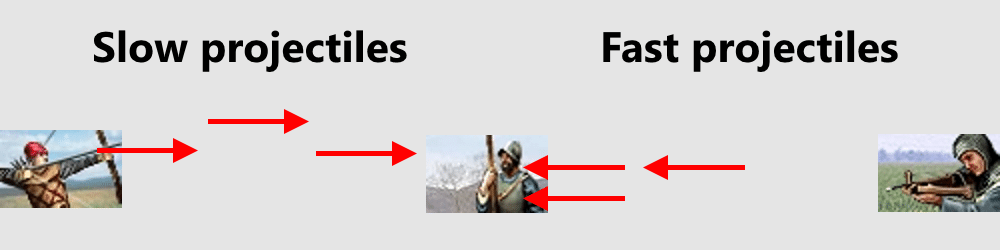
This graphic illustrates how projectile speed affects hit registration. In a Count vs Speed debate, think of Speed as your ability to hit distant targets instantly, while Count ensures nothing survives if it does arrive.
The Danger of Pure Projectile Count
Many players fall into the trap of stacking Projectile Count to 99 and ignoring Attack Speed. What happens?
You fire 100 projectiles… but it takes ten seconds to finish the firing animation. This is the "animation lock" problem. (Source 12 discusses this interaction).
MegaBonk's stat system is designed to prevent this. Attack Speed decreases the delay between attacks. If you are firing a massive volley, high Attack Speed ensures that volley comes out faster, meaning you can start the next one (or start dodging) sooner.
A high Count with zero Speed is a glass cannon sitting still. It is a one-trick pony that dies the moment the boss moves, severely limiting your single-target damage.
Weapon-Specific Scaling: The Ultimate Check
The mistake most players make in 2026 is applying general ARPG logic to every weapon. Here is the breakdown of what actually works.
Projectile Weapons (Need Both Count + Speed)
These weapons fire tangible objects. Every extra projectile is a direct multiplier on your base damage per swing.
- Revolver, Dice, Shotgun: Damage, Attack Speed, Quantity.
- Chunkers: Projectile Count increases rock output. Speed for rate.
- Flamewalker: Fire patches count as projectiles. Fire rate is key.
- Aegis: Shields count as projectiles. Bounce synergizes here.
Aura and Melee Weapons (Speed is King)
- Aura, Frostwalker: Attack Speed and Size. No Quantity benefits.
- Sword, Katana: Damage, Size, Knockback. Attack Speed has less raw impact than Damage per swing, but it helps trigger effects.
Special Weapons (Unique Scaling)
- Black Hole: Benefits from Size and Cooldown Reduction. Count does nothing.
- Tornado: Relies on Size, not Count.
- Dexecutioner: Scales directly with Damage and Crit Chance. Speed helps trigger executes faster.
The takeaway? You cannot blindly stack the same two stats. You must check your weapon's "tags" or community ratings. Projectile Count is a weapon-specific steroid, while Attack Speed is a universal battery—it makes everything happen faster.
Real-World DPS Scenarios
Let us simulate a build based on the stat formulas provided by the Megabonk Stat Calcs (Source 7) and the Weapon Scaling Guide (Source 3).
Scenario A: The "Quantity Only" Trap
- Weapon: Revolver (Base 1 projectile, 1.0x speed)
- Investment: +50 Projectile Count (Quantity Tome Level 50)
- Attack Speed: 100% (Base)
- DPS per volley: 1 (base damage) × 51 (projectiles) = 51 damage.
- Result: Massive burst, but huge vulnerability window. If the enemy dodges, your entire rotation misses.
Scenario B: The "Speed Only" Trap
- Weapon: Revolver (Base 1 projectile, 1.0x speed)
- Investment: +200% Attack Speed.
- Projectile Count: 1.
- DPS per volley: 1 damage × 1 projectile = 1 damage per hit.
- Result: You are a machine gun firing peas. You trigger on-hit effects fast, but you lack the concentrated burst for effective single-target damage against high-armor enemies or large groups.
Scenario C: The "Balanced" Meta Build
- Weapon: Revolver (Base 1 projectile, 1.0x speed)
- Investment: +25 Projectile Count, +100% Attack Speed.
- DPS per volley: 26 damage.
- Time to fire: Twice as fast.
- Result: 52 DPS. The synergy is obvious. You are firing 26 bullets twice as often. This is the multiplicative scaling in action.
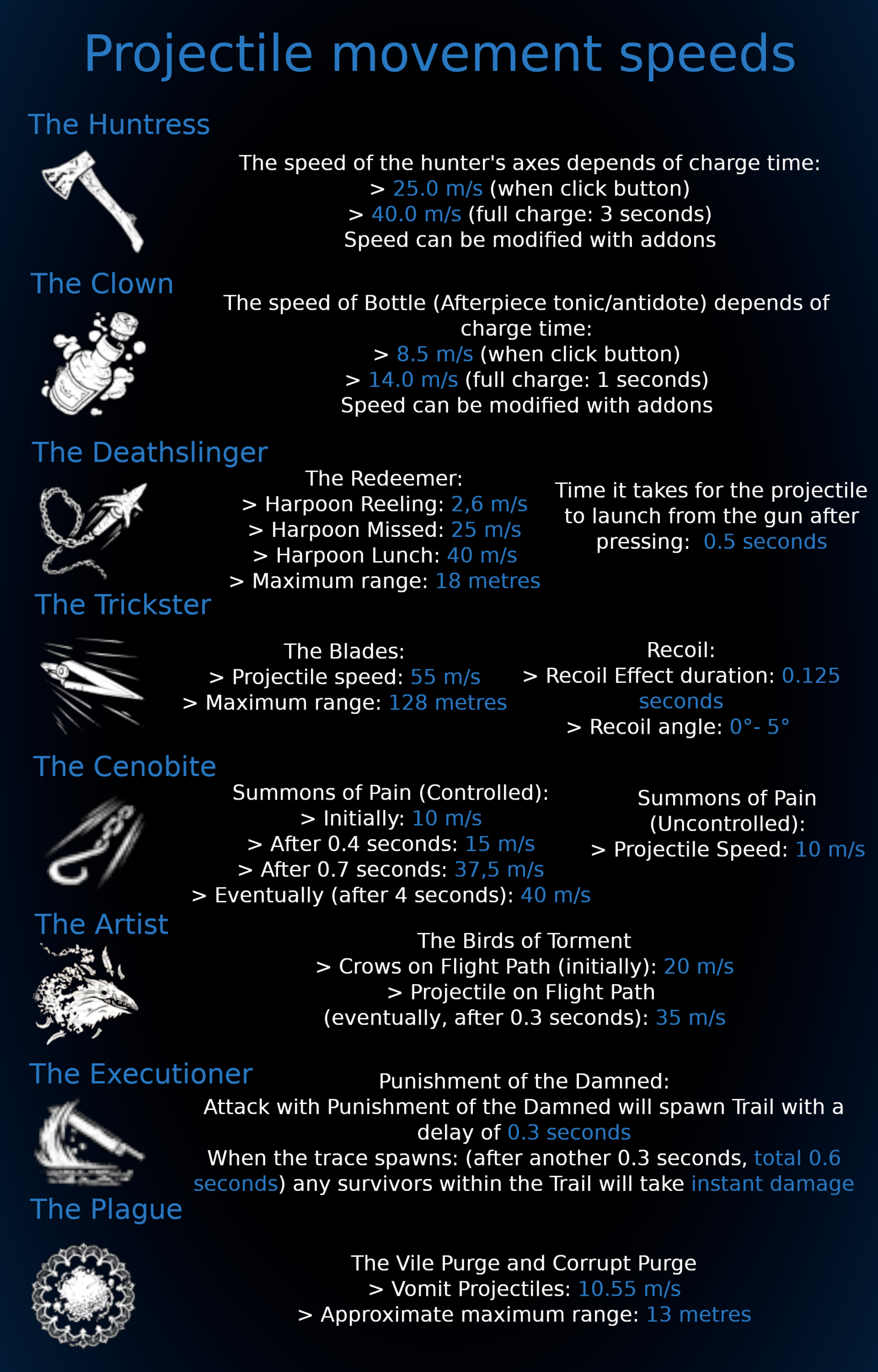
This comparison of projectile speeds in Dead by Daylight underscores a universal truth: Speed determines if a shot lands at all. Count and Attack Speed determine if it kills anything when it gets there.
The Trigger Economy: Why Balance Wins
Here is where the math gets really interesting. On-hit effects change the value of these stats.
Lifesteal: In MegaBonk, Lifesteal is a percentage chance to steal 1 HP per attack. Over 100%, it gives a chance to steal 2 HP. (Source 1).
- High Attack Speed gives you more chances to roll the Lifesteal dice. Against a single boss, Speed is better for boss damage and survival because you roll the dice more often.
- High Projectile Count lets you steal from multiple enemies at once. Against a crowd, Count is better.
Critical Strikes: Crit Chance over 100% gives you a chance to Overcrit, applying Crit Damage again. (Source 1).
- High Projectile Count gives you more "dice rolls" per swing for that Overcrit. It is better for burst potential.
- High Attack Speed allows you to fish for Overcrits more times per second. It is better for sustained damage.
The optimal build does not choose one. It uses Attack Speed to trigger effects consistently and Projectile Count to maximize the value of every trigger.
Frequently Asked Questions (FAQ)
Q: Does Projectile Count affect Aura weapons in 2026?
A: No. This has been tested extensively by the community (Source 2). Aura and Frostwalker scale strictly on Attack Speed and Size. Stacking Projectile Count on an Aura build is a waste of stat allocation. (Source 4).
Q: Is Attack Speed always better than Projectile Count?
A: Not at all. For pure burst screen clear with projectile weapons, Projectile Count provides the biggest single hit. However, for general clearing, reliability, and bossing, Attack Speed is universally strong because it helps every weapon type, including Aura and Melee. (Source 3). The answer is "it depends on your weapon's tags."
Q: Do these stats have diminishing returns?
A: In MegaBonk, Projectile Count is "pure addition" (Source 7), so it scales linearly. Attack Speed is a percentage of base. While individual sources of Attack Speed are additive with each other, they form a multiplicative relationship with Projectile Count. You do not get diminishing returns on the interaction between the two, which is why balanced builds are so powerful for endgame scaling.
Q: How do Tomes affect this balance?
A: The Quantity Tome is essential for projectile builds but useless for Aura/Melee. The Attack Speed Tome benefits everyone. The Damage Tome universally boosts output. The key is to look for Tomes that synergize with your weapon tags. (Source 3, 4).
Q: What about Projectile Speed? Is it a trap?
A: Projectile Speed is a tertiary stat. It makes your bullets travel faster. This helps with hitting moving enemies but does not increase your theoretical DPS the way Attack Speed or Projectile Count does. It is a Quality of Life stat rather than a raw multiplier. (Source 9, 10). If you have to choose between Projectile Speed and Attack Speed for DPS, always take Attack Speed.
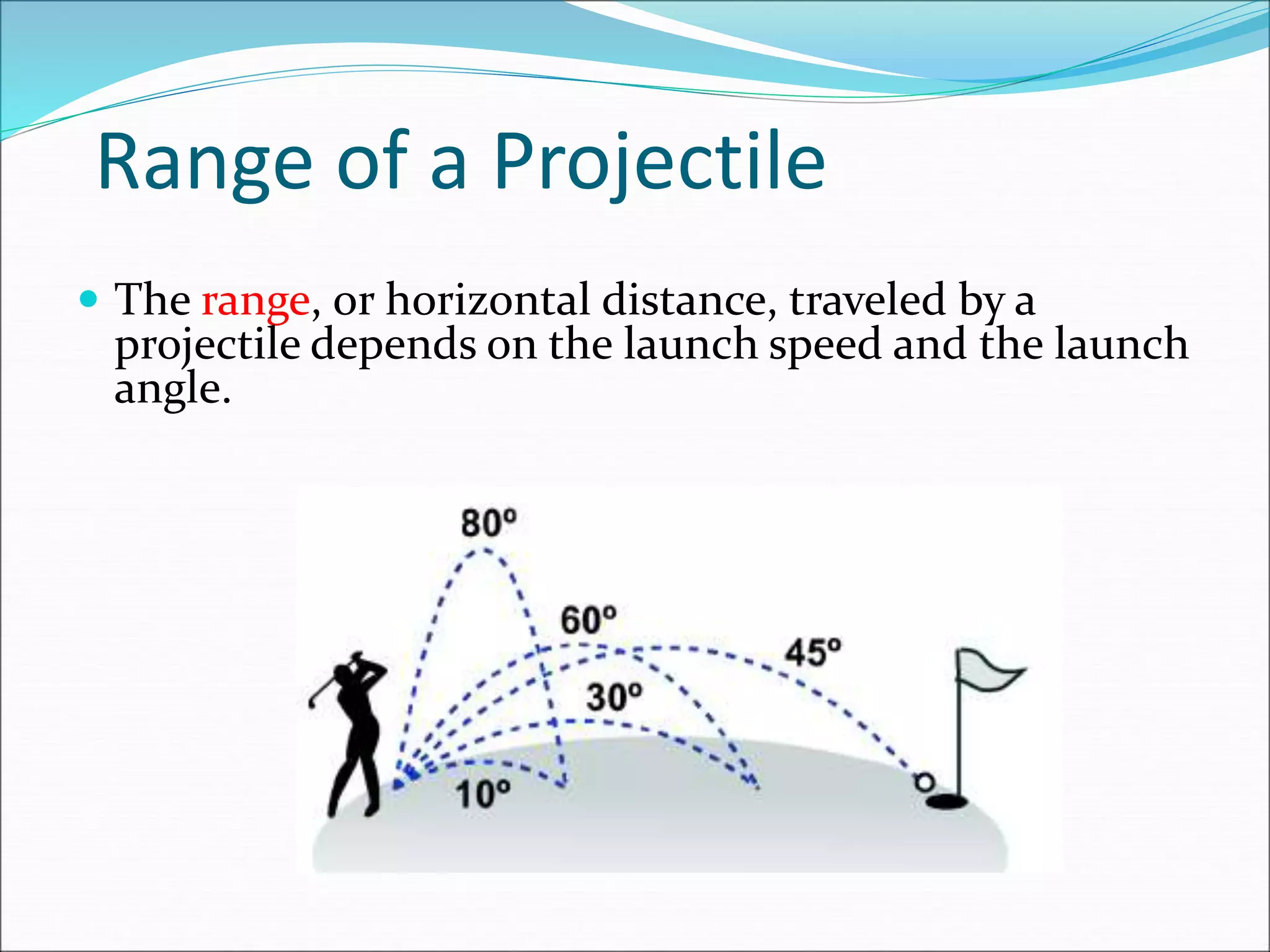
In the world of physics, velocity determines path. In the world of gaming, your Projectile Count and Attack Speed determine if the target survives the path.
Building for the 2026 Meta: A Practical Strategy
So, how do you apply this knowledge in your very next run?
- Identify Your Weapon Type. Is it a Projectile, Melee, Aura, or Special weapon? This dictates 90% of your stat priority. (Source 3).
- Prioritize your Tome.Projectile Builds: Rush the Quantity Tome to skyrocket your base output. Then stack Attack Speed Tomes to make those projectiles fire faster. (Source 4).Aura/Melee Builds: Focus on Damage Tomes and Attack Speed Tomes. Look for Size Tomes to expand your hitbox.
- Projectile Builds: Rush the Quantity Tome to skyrocket your base output. Then stack Attack Speed Tomes to make those projectiles fire faster. (Source 4).
- Aura/Melee Builds: Focus on Damage Tomes and Attack Speed Tomes. Look for Size Tomes to expand your hitbox.
- Seek the Multiplier. The ultimate late-game high comes from items that trigger on-hit. Because Attack Speed gives you more attacks, and Projectile Count gives you more hits per attack, the synergy with items like Lightning Orb or Moldy Cheese is exponential for build optimization.
- Don't Overcap. If you are at +99 Projectile Count with a base speed of 1.0, your weapon likely has a long fire time. You must maintain a healthy balance. The community max level is 99 for Quantity Tome (Source 4), but you rarely need it that high if you have balanced attack speed.
- Respect the "Purity" of Stats. Remember the formula: Projectile Count is additive. Attack Speed is multiplicative with your base rate. Combining them creates the desired multiplicative curve that breaks the game.
Conclusion
The "Projectile Count vs Attack Speed" debate is a false dichotomy. It implies you have to choose one, when the true path to power and a satisfying power curve in 2026 is understanding their intimate, mathematical stat synergy.
Attack Speed is the engine. It makes everything tick faster. Projectile Count is the payload. It makes every tick count for more.
Neglecting one for the other leaves untold damage on the table. Whether you are cleaving screens in MegaBonk or optimizing a crit build in Path of Exile 2, the meta has spoken: balance your rate of fire with your volume of fire.
Look at your weapons, check their scaling tags, and build accordingly.
In the end, the best stat is the one you build around. But if you want to win the run, you build around both.
Now go, and make your screen an unreadable canvas of destruction.
References
- Megabonk Wiki — Stats Documentation and Game Mechanics (v1.0.17+)
- Steam Community (Megabonk General Discussions) — Projectile Count and Aura Interaction Testing
- GamerBlurb Team — MegaBonk Weapon Scaling Guide
- Community Tome Guide (Megabonk Database) — Quantity Tome Scaling and Utility Analysis
- Spot.Monster (Gaming Guides) — MegaBonk Weapon Scaling Mechanics
- Amiibo Doctor (Doc) — Megabonk’s Stat Calcs Explained
- Path of Exile 2 Wiki — Projectile Mechanics and Speed Attributes
- Titan Quest Fans (Community Forums) — Projectile Speed vs Attack Speed Analysis