
In the hyper-competitive world of 2026 gaming, every millisecond counts. Whether you are playing a high-octane tactical shooter or a massive open-world battle royale, the “feel” of your weapon is dictated by one invisible force: hit detection. As players demand tighter responsiveness and developers fight against the plague of cheaters, the debate between client-side vs. server-side hit detection has never been more relevant.
Understanding how your PC communicates with the game server is key to understanding why your shots sometimes feel like they “ghosted” through an enemy. Let’s dive into the technical architecture defining the modern FPS experience.
The Core Problem: Latency vs. Fairness
At its simplest level, hit detection is the game’s way of deciding whether a projectile fired by a player actually connected with a target. The challenge arises because of network latency (ping).
If a player has a 50ms ping, the information about where they are aiming takes time to travel to the server. If the server is the sole authority, the player would have to “lead” their shots significantly to account for that delay. This creates a sluggish, frustrating experience that feels disconnected from the player’s inputs.
Client-Side Hit Detection: The Need for Speed
Client-side hit detection allows the player’s machine to decide if a shot hit. When you pull the trigger, your game engine calculates the trajectory and tells the server, “I hit this player at this location.”
The Advantages
- Instant Feedback: Your shots feel snappy and precise. You don’t have to account for your own latency, making the game feel responsive.
- Reduced Server Load: The server doesn’t have to perform complex collision math for every single bullet fired by every player, freeing up resources for physics and entity management.
The Dangers
- Vulnerability to Cheats: If the client is the ultimate authority, malicious actors can manipulate their game files to report “hits” on players who are behind walls or across the map.
- “Dying Around Corners”: This occurs when a server takes too long to process a client’s hit report, leading to situations where you feel you’ve reached cover, only to be downed by a shot that happened “in the past” on the attacker’s screen.
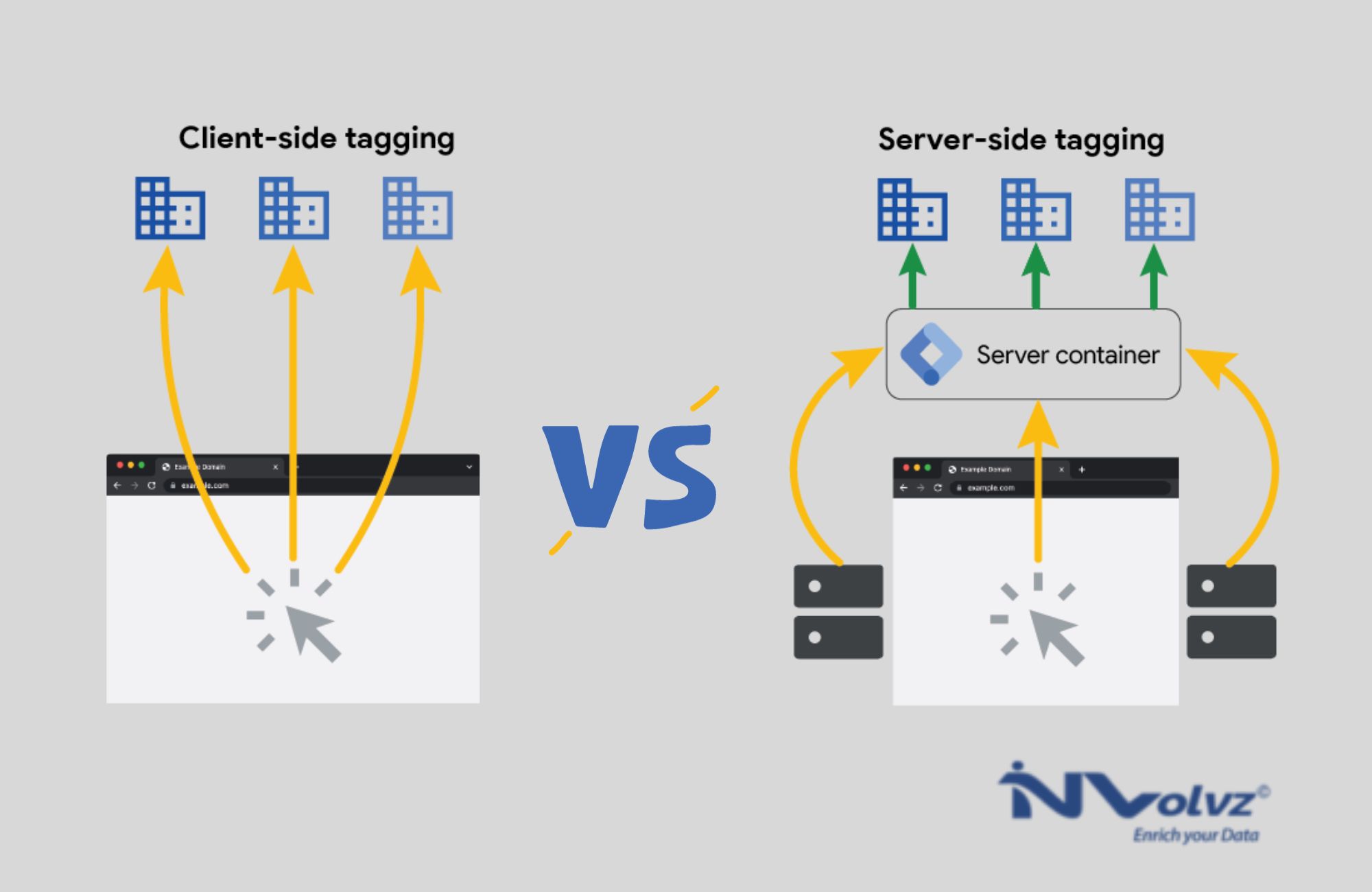
Server-Side Hit Detection: The Gold Standard for Integrity
In 2026, most AAA competitive shooters lean toward server-side authority. In this model, the client only sends inputs (like “mouse moved left” or “trigger pulled”), and the server calculates the result.
Why Developers Choose Server-Side
- Anti-Cheat Security: By keeping the logic on the server, it becomes significantly harder for players to spoof hit data.
- Consistent Game State: The server is the “source of truth.” This prevents the game from desyncing, ensuring that what Player A sees is as close as possible to what Player B sees.
The Trade-offs
The “Laggy” Feel: If the server is overloaded, hit detection can feel “mushy.” As noted in games like Black Magic II*, if a server is juggling too many tasks, the time it takes to process hit registration increases, leading to noticeable delays.
- Bandwidth Requirements: Constant communication between the client and server requires a stable, high-frequency connection to keep the game feel smooth.

The Hybrid Approach: The 2026 Standard
To balance the responsiveness of client-side detection with the security of server-side authority, developers are increasingly using Lag Compensation (Backtracking).
When a player fires, the server doesn’t just look at where the enemy is right now. It looks back at the server’s “history” of player positions to see where the enemy was at the exact moment the attacker pulled the trigger.
Key Factors for Optimal Hit Detection:
- Tick Rate: The frequency (e.g., 64Hz or 128Hz) at which the server updates. Higher tick rates mean more accurate hit detection.
- Interpolation: The game engine “smooths out” the movement of players to prevent jittery visuals, which is essential for accurate targeting.
- Input Prediction: Modern engines predict where your crosshair will be, minimizing the perceived gap between your click and the visual hit.
Conclusion: Which is Better?
There is no “perfect” system. Pure client-side detection makes for a smooth, albeit insecure, experience. Pure server-side detection provides total integrity but requires immense computational power to avoid feeling sluggish.
In 2026, the industry has settled on Server-Authoritative models with sophisticated lag compensation. This ensures that while you might occasionally suffer from “dying behind a wall,” the game remains fair, competitive, and free from the rampant hit-box manipulation that plagued earlier eras of online gaming. If you’re a developer, prioritize the server; if you’re a player, prioritize a stable, low-latency connection.