
Mastering the math behind projectile prediction is a rite of passage for game developers and simulation engineers. Whether you are building an AI that needs to land a perfect sniper shot or creating an aiming indicator for a fast-paced shooter, understanding the arc of a moving object is essential. In 2026, the tools available to learn this skill are more accessible than ever, moving away from complex manual calculus toward intuitive, simulation-based learning.
Why Projectile Prediction Matters in 2026
In modern game development, players expect highly responsive mechanics. If your game features projectile-based weapons, the difference between a “good” feel and a “clunky” one often comes down to how well your code predicts where a target will be. Learning to calculate the intercept point—the exact spot where a projectile and a moving target collide—is the gold standard for creating professional-grade combat systems.

The Core Physics: Understanding the Arc
Before diving into code, you must grasp the fundamental physics. Projectile motion is essentially the combination of two independent movements: constant horizontal velocity and vertical acceleration due to gravity.
- Gravity (g): Usually constant (e.g., -9.81 m/s²).
- Initial Velocity (v): The speed and direction at which the projectile is launched.
- Time (t): The variable you are almost always solving for.
By using a trajectory calculator, you can visualize these paths without writing a single line of code. This is the easiest way to learn because it allows you to manipulate variables like launch angle and gravity, seeing the results in real-time.
Step-by-Step: The Easiest Way to Learn
If you want to master this, don’t start with complex trigonometry. Start by building a simple simulation.
- Visualize the Path: Use an interactive physics simulator to see how changing the launch angle affects the landing spot.
- Solve for Static Targets: Learn to calculate the distance and height difference between your shooter and a stationary point.
- Incorporate Movement: Once you understand static shots, introduce a target moving at a constant velocity. You are now solving for the intercept time, which is a quadratic equation.
- Implement in Code: Use existing resources, such as those found on Kevin Brennan’s GitHub Pages, to see how these math concepts are translated into C# or C++ for game engines like Unity or Unreal Engine 5.
<img alt="Projectile Prediction – Examples & Tutorials – Flowlab Community" src="https://flowlab.io/assets/users/84/user848097/game2166366/screenshot.png” style=”max-width:100%; height:auto; border-radius:8px; margin: 1rem 0;” />
Practical Implementation: Beyond the Math
The easiest way to learn projectile prediction isn’t just memorizing formulas; it’s understanding the application. When you are writing your prediction function, you are looking for the intersection of two paths: the line of the target’s movement and the parabolic curve of your projectile.
Common Pitfalls to Avoid
- Ignoring Drag: In many 2026-era games, air resistance (drag) is a factor. Simple physics formulas might fail if your projectile is light or slow.
- Floating Point Errors: When calculating high-speed projectiles, ensure you are using double-precision floats to avoid jittery aim.
- Oversimplifying the Target: If the target is moving erratically, you may need to implement a predictive tracking algorithm rather than a simple intercept calculation.
Utilizing Modern Tools in 2026
We are currently in a golden age of developer tools. You no longer need to derive the kinematic equations from scratch every time.
- Trajectory Calculators: These are excellent for debugging your code. If your prediction logic doesn’t match the calculator, you know you have a logic error.
- Open Source Repositories: GitHub is filled with modular projectile scripts. Studying these is significantly faster than trying to reinvent the wheel.
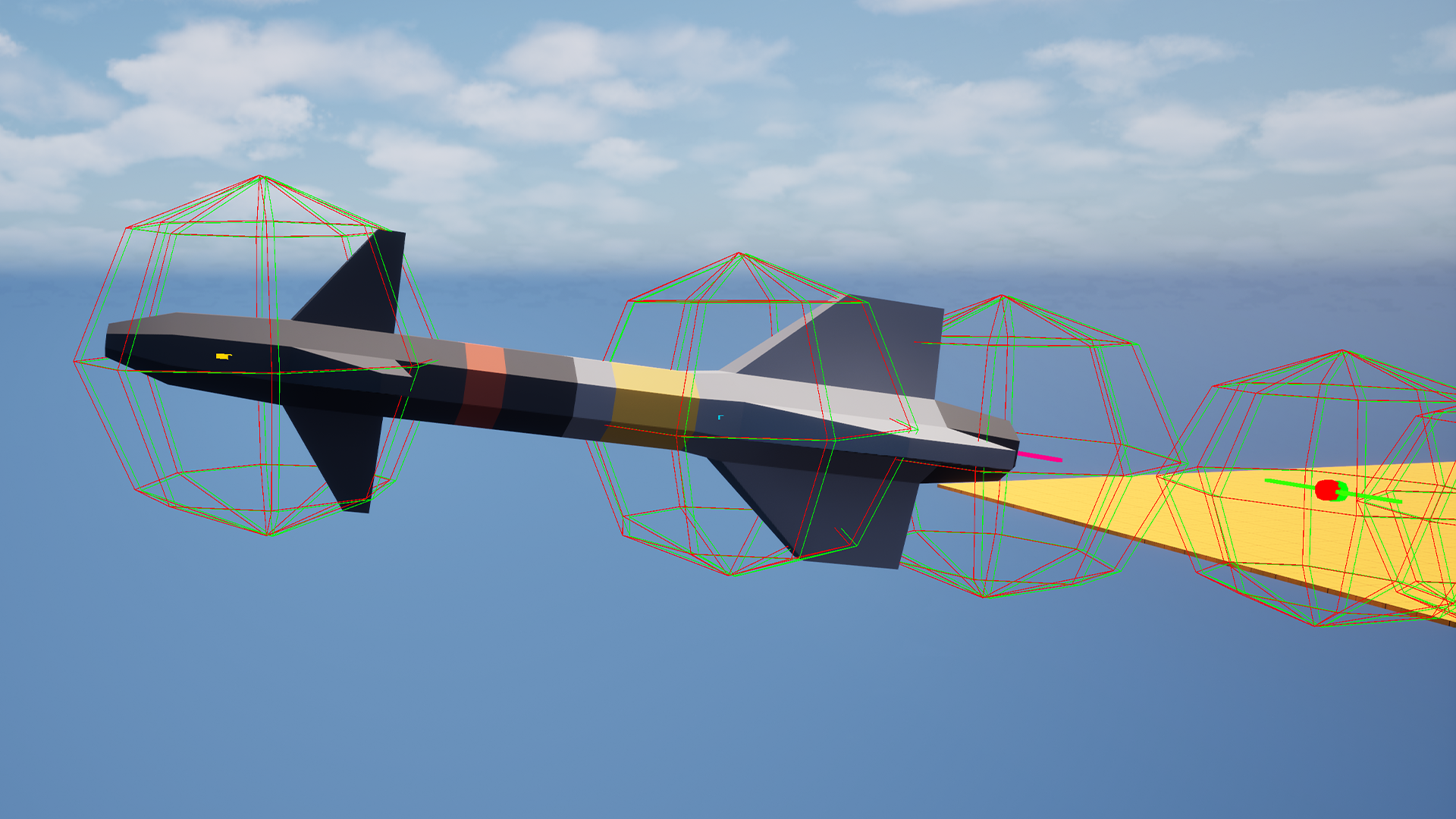
- Simulation Environments: Many game engines now have built-in debug drawers that allow you to draw the predicted arc directly in the game window. Visual feedback is the fastest way to learn.
Conclusion: Start Small, Think Big
Learning projectile prediction is a journey from basic high-school physics to advanced game systems architecture. By starting with visual simulators, progressing to static calculations, and finally mastering moving target interception, you will gain a skill set that is highly valued in the industry.
Remember: the goal is not to be a human calculator, but to understand the relationship between velocity, gravity, and time. Once you master these three variables, you can predict the path of any object in your game world. Start experimenting today, use the resources linked to your preferred engine, and don’t be afraid to break your code—it’s how you learn!