
In the hyper-competitive world of 2026 esports, raw talent is no longer enough to dominate the leaderboard. Whether you are grinding ranked matches in tactical shooters or battling in fast-paced arena games, your mechanical aim is the foundation of your success. If you want to climb the ranks, you need a structured, scientific approach to practice.
The good news? You don’t need a specialized facility to become a sharpshooter. Learning how to practice aiming at home has never been easier, thanks to sophisticated browser-based tools and advanced training methodologies. This guide will walk you through the essential techniques to sharpen your reflexes, improve your tracking, and master the art of the flick shot.
Why Dedicated Aim Training is Non-Negotiable
Many players make the mistake of assuming that playing their favorite game is the best way to practice aim. While in-game experience is vital for game sense, it is often inefficient for isolating specific mechanics. During a real match, you spend time looting, rotating, or waiting for respawns.
By using dedicated aim trainers, you maximize your “reps per minute.” You can force yourself into high-pressure scenarios that occur only once per match, practicing them hundreds of times in a single session. This muscle memory development is the secret weapon of professional players who consistently maintain a high headshot percentage.
Essential Mechanics You Must Master
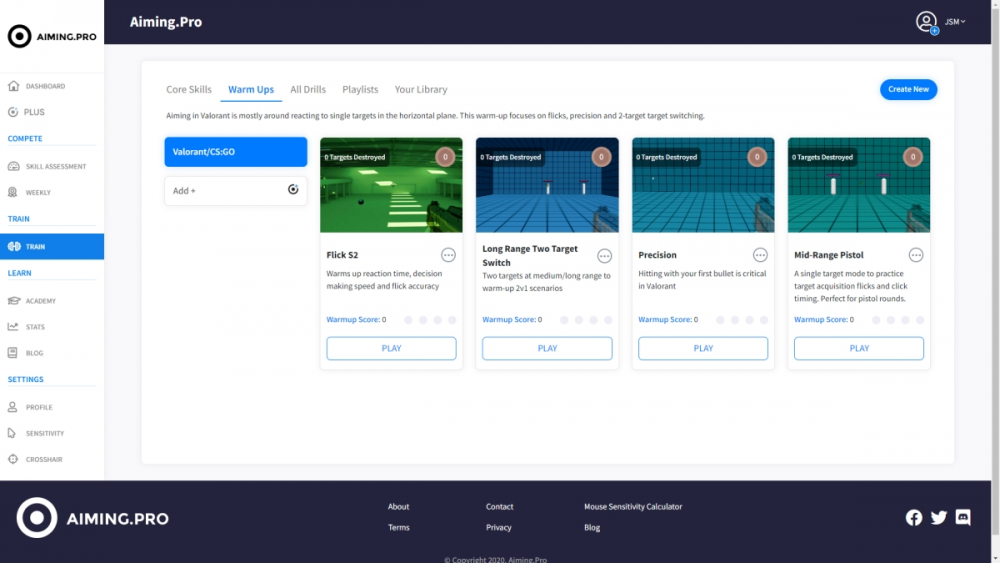
To improve your overall performance, you must break down your aim into three core components. Focusing on these pillars will ensure you are a well-rounded player capable of handling any engagement.
1. Flick Shots (Click Timing)
Flick shots involve moving your crosshair rapidly from a neutral position to a target. This is essential for snipers and players using high-damage, single-shot weapons. Practice this by focusing on precision over speed initially; once your accuracy is consistent, the speed will naturally follow.
2. Tracking
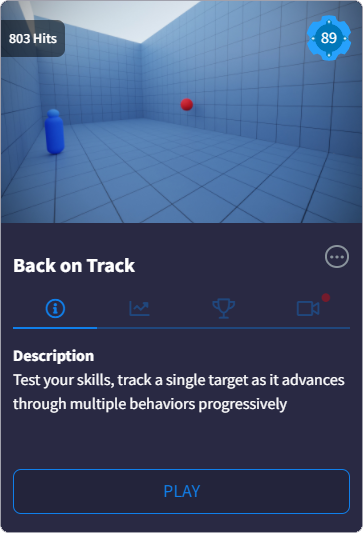
Tracking requires you to keep your crosshair locked onto a moving target. This is the most crucial skill for games with longer “time-to-kill” (TTK). Use tools like Aiming.Pro to select drills that feature erratic, unpredictable target movement to push your reaction time to the limit.
3. Target Switching
Target switching is the ability to move your crosshair from one enemy to another fluidly. This is vital for winning 1vX scenarios. By practicing target acquisition, you reduce the “dead time” between kills, allowing you to secure multi-kills before your opponents can react.
Top Platforms to Practice Aiming at Home
The landscape of aim training in 2026 is dominated by platforms that prioritize data-driven improvement. Here are the best tools to incorporate into your daily routine:
- Aiming.Pro: This platform is a game-changer for those looking for structured progression. You can play through a varied collection of drills that ramp up in difficulty, ensuring you are constantly challenged. It’s perfect for players who want to track their progress against a global community.
- 3D Aim Trainer: Known for its detailed statistics and leaderboards, this platform is essential for any FPS player who wants to treat aim training like a sport. Seeing your growth visualized through charts is a massive psychological boost that keeps you motivated.
- Free Online FPS Aim Trainers: For those who want to jump in and start playing immediately, browser-based trainers offer customizable targets and instant feedback. These tools are excellent for warming up your muscles before hopping into a competitive queue.
Designing Your 2026 Training Routine
Consistency is the ultimate key to improvement. It is better to practice for 20 minutes every day than to grind for five hours once a week. Here is a suggested structure for your home practice session:
- Warm-up (5 minutes): Start with slow, deliberate tracking drills to loosen up your wrist and arm.
- Focus Block (10 minutes): Pick one mechanic—such as flicking—and push yourself in a high-difficulty drill. Use the community-made drills on Aiming.Pro to find scenarios that mirror your main game.
- Performance Review (5 minutes): Check your statistics on 3D Aim Trainer. Identify where your accuracy dipped and adjust your sensitivity or posture accordingly.
Pro-Tips for Long-Term Success
- Optimize Your Setup: Ensure your mousepad is large enough to support low-sensitivity play, which is generally better for precision.
- Maintain Ergonomics: Aiming is physically demanding. Keep your posture upright and your arm position consistent to avoid repetitive strain injuries.
- Don’t Ignore Sensitivity: Once you find a sensitivity that feels natural, stick with it. Constantly changing your settings will reset your progress in developing muscle memory.
- Analyze Your Mistakes: If you are missing shots, don’t just keep clicking. Pause and ask yourself: “Am I over-flicking or under-flicking?” Adjust your technique based on the data.
Conclusion
Learning how to practice aiming at home is a journey of patience and data-backed refinement. By utilizing modern platforms like Aiming.Pro and 3D Aim Trainer, you can turn your home office into a high-performance training ground. In 2026, the players who dominate are not just those with the best hardware, but those with the most disciplined training habits. Start your routine today, track your stats, and watch your rank climb as your precision reaches new heights.