
In the fast-paced world of 2026 gaming, hitscan weapons are becoming a relic of the past. Modern shooters—from high-intensity extraction games like Helldivers 2 to competitive tactical shooters—increasingly rely on projectile-based ballistics. If you want to dominate the leaderboard, you must learn to lead your shots.
“Leading your shot” is the technique of aiming ahead of a moving target’s trajectory so that your projectile and the target arrive at the same point simultaneously. It is the difference between a clean elimination and wasting precious ammunition. This guide will teach you how to master the physics of virtual combat.
Why Projectile Weapons Demand a New Mindset
Many players transitioning from hitscan games struggle because they expect instant feedback. In projectile-based titles, your bullet or energy bolt has a travel time. If you aim directly at a moving enemy, you will consistently miss because they have already moved by the time your shot arrives.

As noted by veterans in the community, trying to master projectile weapons before you have the basics down can feel like “sprinting before you can stand.” However, once you grasp the math of movement, these weapons often provide superior damage and range, making them essential for high-level play.
Understanding the Variables of Leading
To successfully lead your shots, you must balance three critical factors: Projectile Velocity, Target Distance, and Target Vector.
1. Projectile Velocity
Every weapon has a specific speed. A heavy cannon shell travels significantly slower than a high-velocity sniper round. You need to “feel” the speed of your chosen weapon. Spend time in a training range firing at moving targets to calibrate your internal clock for that specific gun.
2. Target Distance
The further away your target is, the longer your projectile stays in the air. This increases the margin for error. At long ranges, you aren’t just leading the target; you are predicting their future path.

3. Target Vector (Direction and Speed)
Is the enemy running perpendicular to you, or are they moving toward you? A target running sideways requires a significant lead, whereas a target moving directly toward or away from you requires little to no horizontal adjustment.
Advanced Techniques: Range Finding and Mil-Dots
For long-range engagements, guesswork isn’t enough. Many modern shooters include optics with Mil-Dots (the small lines on your crosshair). These aren’t just for decoration; they are precision tools for range estimation.
- Quick Range Finding: Use the height of the enemy model compared to the Mil-Dots to estimate distance.
- The “Hold-Over” Method: If your target is beyond your weapon’s zeroing distance, you must aim above them to compensate for bullet drop.
- Constant Tracking: Instead of flicking, practice “tracking” the target’s movement with your crosshair. This makes it easier to judge the necessary lead distance.
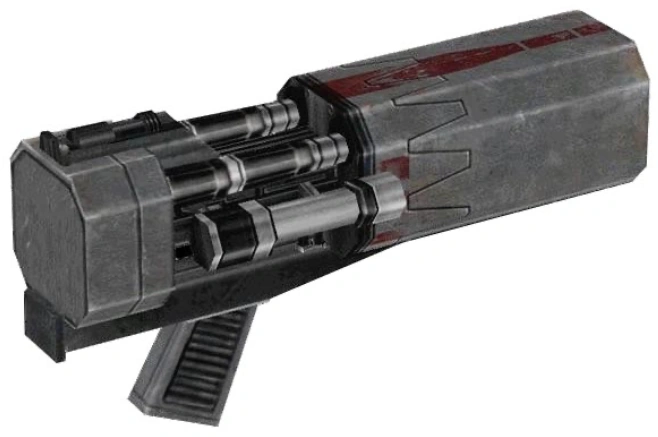
Practical Application: The Veto Strategy
Take the P-69 Veto, a popular weapon in 2026’s meta. It offers devastating power, but its slower projectile speed makes it a “not-so-simple” point-and-shoot tool. To master it:
- Anticipate the Strafe: Experienced players will often “juke” or change directions. Aim for where they are going, not where they are currently.
- Fire in Bursts: By firing a short burst, you create a “wall of lead” that the enemy is likely to walk into, mitigating the difficulty of tracking a single target.
- Optimize Loadouts: Equip attachments that increase muzzle velocity if you struggle with leading, as this reduces the required lead distance significantly.
How to Practice Effectively
Do not expect to become a marksman overnight. Use these drills to improve your consistency:
- The Tracking Drill: Follow a moving friendly target in a private match without firing. Just keep your crosshair locked on them for 10 seconds.
- The Lead-Gap Drill: Find a stationary object, then strafe past it while trying to hit it. This teaches you how much distance to maintain between your crosshair and the target based on your own movement speed.
- Vary Your Weapons: Don’t stick to one gun. Switching between slow projectile weapons and fast ones forces your brain to adapt to different travel times, making you more versatile.
Conclusion
Leading your shots is a skill that separates the casual player from the elite competitor. In 2026, as games become more realistic and physics-driven, the ability to calculate trajectories on the fly is becoming a mandatory requirement.
Remember: Patience is your greatest weapon. Don’t spam your shots. Take the extra half-second to observe the target’s movement, calculate the lead, and pull the trigger. With practice, the “lead” will become second nature, and you’ll find yourself hitting targets that other players don’t even bother aiming at. Stay focused, keep your reticle moving, and dominate the battlefield.