
In the world of precision shooting, long-range ballistics, and tactical simulation, the margin for error is razor-thin. Whether you are a competitive marksman, a hunting enthusiast, or a game developer refining physics engines, understanding how a projectile interacts with the environment is paramount. As we move through 2026, the technology behind the online bullet trajectory simulator has evolved from basic calculators into sophisticated predictive tools that account for real-time atmospheric variables.
Why Use an Online Bullet Trajectory Simulator?
Gone are the days of manual “Kentucky windage” adjustments and guesswork. Modern shooters rely on digital precision to ensure accuracy at extreme distances. An online ballistics calculator acts as a bridge between theoretical physics and real-world performance, helping users visualize the arc of a bullet before they ever pull the trigger.

By inputting specific data points—such as muzzle velocity, bullet weight, ballistic coefficient (BC), and environmental conditions—you can generate a high-fidelity flight path. These tools are no longer just for experts; they are essential for anyone looking to master the art of long-range shooting accuracy.
Key Factors Influencing Bullet Flight in 2026
To get the most out of a trajectory simulator, you must understand the variables that affect your shot. In 2026, high-end simulators allow for granular adjustments that were previously unavailable to the average user.
1. Atmospheric Conditions
The density of the air is the silent killer of accuracy. Changes in temperature, barometric pressure, and humidity significantly alter air density, which in turn affects drag coefficient. Advanced simulators now pull live weather data to update your ballistic profile instantly.
2. The Role of Coriolis Effect and Spin Drift
At extreme ranges (beyond 1,000 yards), the Earth’s rotation is no longer negligible. A professional-grade online bullet trajectory simulator will integrate the Coriolis effect and spin drift to ensure your point of impact is mathematically sound.
3. Ballistic Coefficients (BC) and Drag Models
Choosing the right drag model—such as G1 or G7—is vital. While G1 is common for flat-based bullets, G7 is the gold standard for modern, low-drag boat-tail projectiles. Using the wrong model will result in a significant drop-off in accuracy as distance increases.
How to Choose the Right Simulation Tool
Not all trajectory calculators are created equal. When selecting an online ballistics tool, look for a platform that offers a clean user interface, mobile accessibility, and reliable data cloud-syncing.
- Customization: Can you input custom rifle profiles, including scope height and zero distance?
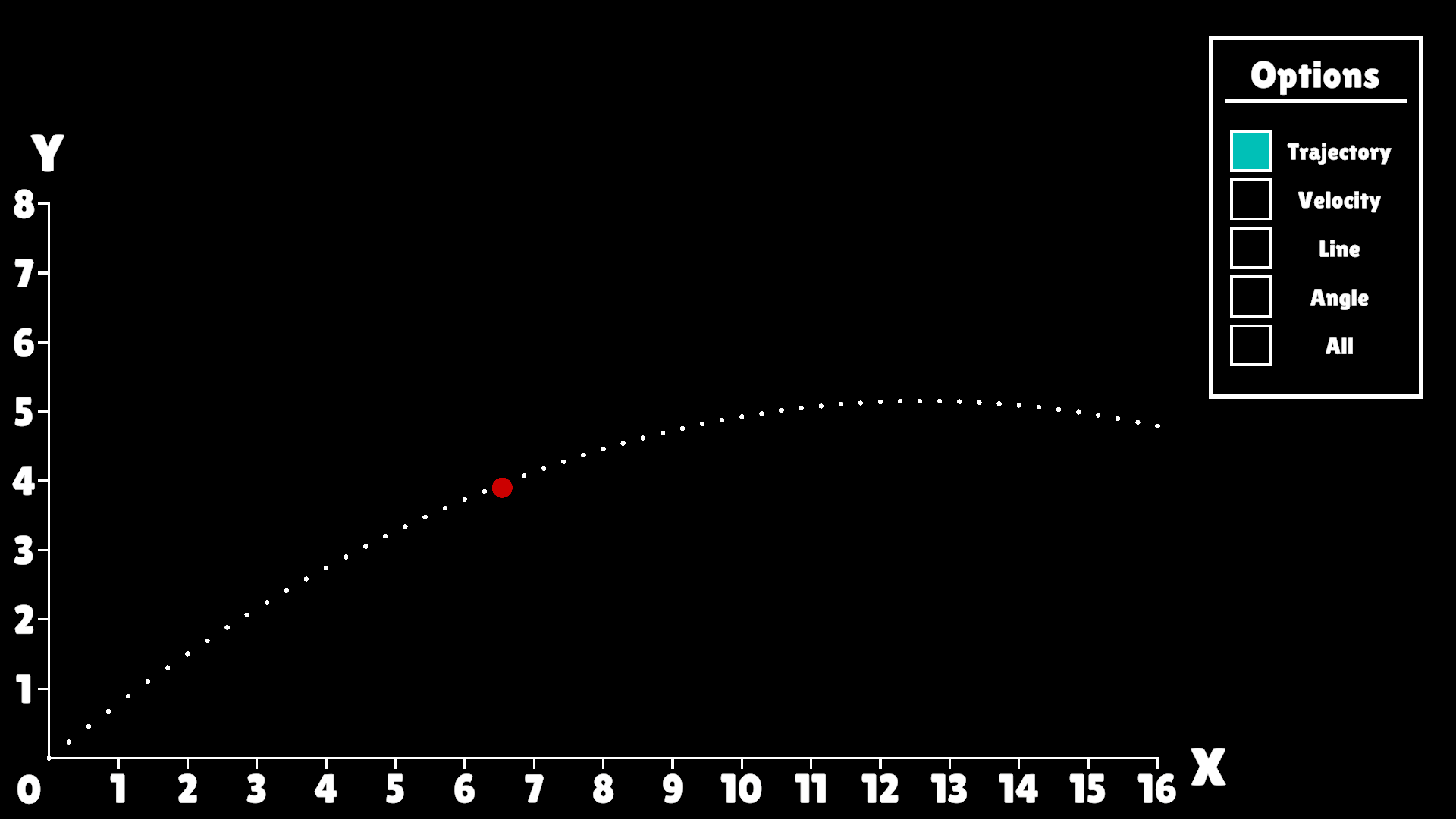
- Visual Representation: Does the tool provide a graphical readout of the bullet drop? Visualizing the arc is often more helpful than reading a raw table of data.
- Exportability: Can you save your profiles and export them to a Kestrel or a dedicated ballistic computer?

Integrating Digital Tools into Your Training Regimen
Digital simulation is not a substitute for range time; it is a force multiplier. By using an online bullet trajectory simulator to “dry-run” your shots, you build the mental framework necessary to make split-second decisions in the field.
For instance, if you are planning a hunt in high-altitude terrain, you can simulate those specific conditions weeks in advance. This preparation allows you to create a “cheat sheet” or a drop chart that you can tape to your stock, giving you total confidence when the moment of truth arrives.
The Future of Ballistic Simulation
As we look further into 2026 and beyond, we expect to see the integration of AI-driven wind estimation. Current simulators require the user to input wind speed and direction manually, but emerging technologies are beginning to use localized sensors to provide real-time, automated adjustments.
Furthermore, the integration of these simulators into augmented reality (AR) heads-up displays (HUDs) is already appearing in experimental tactical gear. Soon, the data you see on your computer screen might be projected directly into your optic, revolutionizing the way we perceive distance and drop.
Conclusion
The pursuit of marksmanship perfection is a lifelong journey. By leveraging the power of a reliable online bullet trajectory simulator, you are taking a data-driven approach to your craft. Whether you are adjusting for windage, calculating elevation, or simply learning the physics of flight, these digital tools are the cornerstone of the modern shooter’s kit.
Remember, the goal of simulation is to remove variables. By standardizing your ballistic data and understanding the environment, you ensure that your equipment performs exactly as intended. Start exploring these tools today, refine your profiles, and watch your groups tighten at every distance.