
In the hyper-competitive landscape of 2026, the divide between elite players and the casual crowd is no longer defined solely by reaction time or flick-aiming ability. As modern game engines move toward ultra-realistic simulation, the mastery of projectile physics has become the definitive skill set for high-level play. If you are still relying on point-and-click muscle memory, you are leaving kills on the table. To dominate the leaderboards this year, you must evolve from a reactive player into a predictive strategist who understands how to calculate projectile travel time with lethal precision.
Whether you are playing the latest tactical military sims or high-fantasy arena shooters, the underlying mathematics of ballistics remains a constant challenge. This guide will walk you through the essential mechanics of bullet velocity, travel time, and environmental variables that define the current meta of competitive first-person shooters.
Understanding the Evolution of Ballistic Engines in 2026
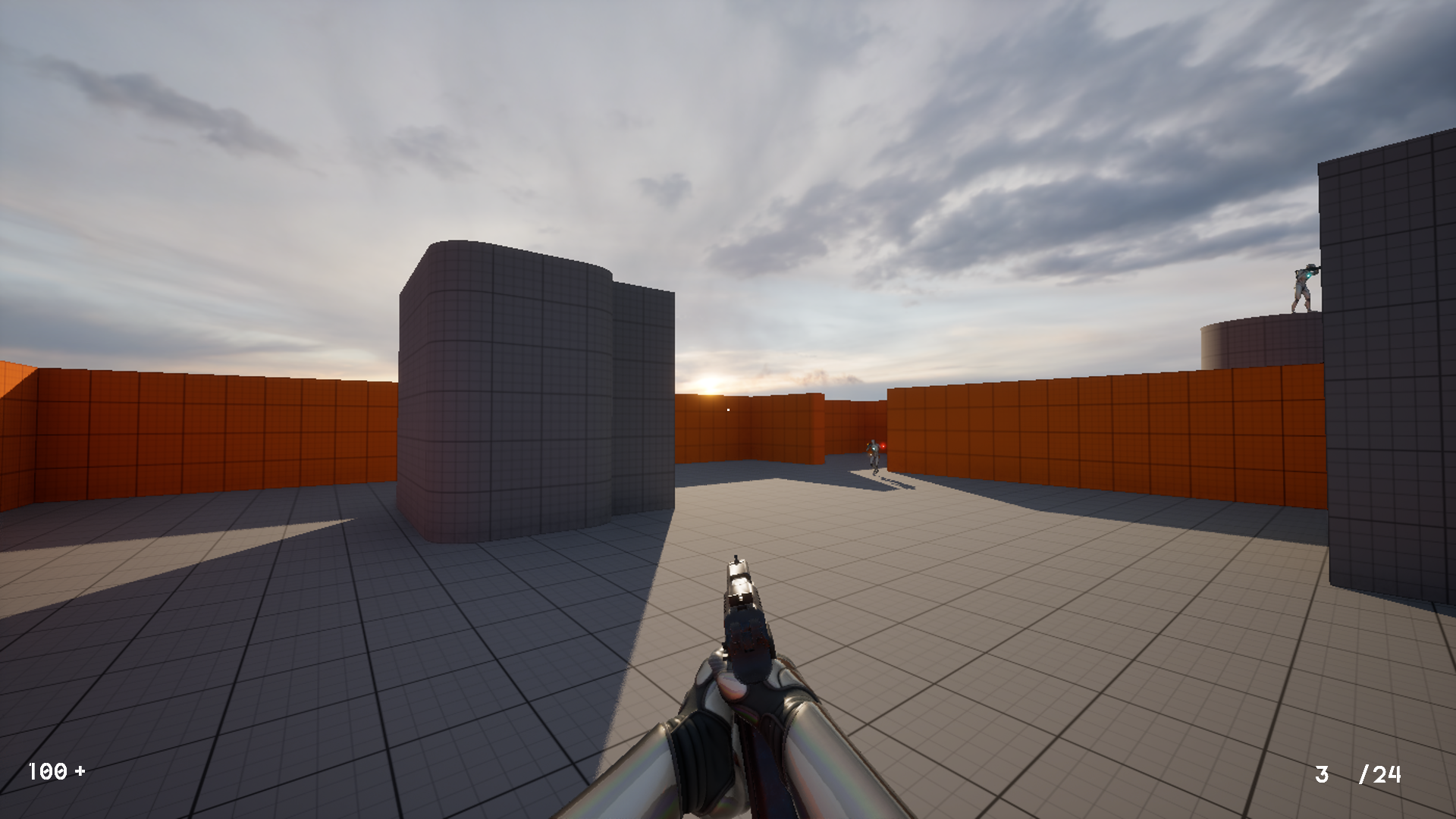
The distinction between hitscan and projectile systems has never been more nuanced. In the early days of gaming, hitscan was the gold standard for consistency. However, in 2026, developers are moving away from simple ray-tracing in favor of high-fidelity ballistic simulation. This shift is driven by the capabilities of modern engines like Unreal Engine 5.4 and proprietary custom engines that allow for complex calculations without sacrificing frame rates.
The modern standard is a hybrid ballistic system. In these environments, weapons utilize hitscan mechanics for immediate, close-quarters encounters, typically within a 0 to 50-meter range. Once the target distance exceeds this threshold, the server-side calculations switch to a full projectile simulation. This means your weapon behaves differently depending on the engagement distance, forcing players to adjust their aim technique on the fly. Understanding this transition point is the first step toward mastering projectile travel time.
The Physics of Lead: Calculating Travel Time
To hit a moving target at long range, you must abandon the idea of aiming at the enemy model. Instead, you must aim at where the enemy will be when your round arrives. This is the art of leading your shots. The fundamental formula for calculating this is based on the relationship between distance, velocity, and time.
The primary formula used by competitive players is: Time of Flight (seconds) = Distance (meters) / Muzzle Velocity (m/s). If you are engaging an enemy at 600 meters with a rifle firing at 800 m/s, your travel time is exactly 0.75 seconds. If that target is running perpendicular to your line of sight at a standard sprint speed of 6 m/s, they will cover 4.5 meters in the time it takes for your bullet to reach them. Therefore, you must hold your crosshair 4.5 meters in front of their current position to secure the hit.
Advanced players utilize dynamic lead indicators, but in 2026, many hardcore modes disable these UI elements. Training your brain to estimate distance and translate that into a visual lead distance is what separates the top 1% of players from the rest of the pack.
Key Variables Impacting Projectile Behavior
Calculating travel time is only half the battle. In 2026, modern shooters account for a variety of environmental factors that influence the path of your projectile. Failing to account for these will result in missed shots, even if your lead calculation is perfect.
Gravity and Bullet Drop
Gravity is the most consistent force acting on your projectile. In games with realistic physics, the drop coefficient determines how quickly your round loses altitude. At ranges exceeding 300 meters, you must compensate by aiming higher than your target. Many modern scopes feature mil-dot reticles specifically designed to help you compensate for this drop without needing to guess. Always check your weapon’s ballistics card in the loadout menu to understand its specific gravity drop profile.
Velocity Decay and Drag
Unlike early FPS titles where projectiles maintained a constant speed, 2026 shooters now simulate velocity decay. As a projectile travels through the air, it loses kinetic energy due to air resistance, or drag. This means your bullet is actually slower at 500 meters than it is when it leaves the barrel. If you are playing a game with high-fidelity ballistics, you must lead your shots slightly more as the distance increases to compensate for this deceleration.
Server Tick Rate and Latency
Your connection to the server is the invisible variable that can ruin your calculations. In 2026, competitive servers typically operate at a 128-tick rate, which provides high precision for projectile registration. However, your own ping (latency) still plays a role. If you have a high ping, your client-side view of the enemy is slightly behind their actual server-side position. When calculating lead, you must factor in your latency to ensure that your projectile hits the target’s true position on the server.
Advanced Techniques for Long-Range Dominance
Once you understand the math, you must master the mechanics of execution. The following techniques are essential for players looking to refine their long-range efficiency.
The “Tracking” Method
Instead of “flicking” to a lead position, professional players often prefer tracking. This involves placing your crosshair in front of the target and moving your aim in sync with their movement. By maintaining a constant lead distance, you maximize your window of opportunity. If the target changes direction, you are already prepared to adjust your lead instantly, rather than having to re-calculate from a static point.
Zeroing Your Optic
Most long-range rifles in 2026 feature adjustable zeroing distances. By setting your optic to the specific range of your target, you effectively negate the need for manual bullet drop compensation. If you know your target is at 400 meters, adjust your zero to 400 meters, and you can aim directly at the center of the target. Mastery of this mechanic is vital for snipers who need to land consistent headshots under pressure.
Understanding Weapon Profiles
Every weapon in your arsenal has a unique ballistic signature. A high-caliber sniper rifle might have a high muzzle velocity, resulting in a flat trajectory and minimal lead requirements. Conversely, a submachine gun or a suppressed weapon will have a lower muzzle velocity, resulting in significant drop and travel time. Spend time in the firing range testing each weapon’s performance at various distances to build an intuitive understanding of their individual projectile travel time.
The Impact of Environmental Conditions
In 2026, the most advanced shooters have introduced dynamic weather systems that affect gameplay. Wind speed and direction are now becoming standard features in tactical shooters. A strong crosswind can push your projectile off-course, requiring you to aim into the wind to account for drift. While this adds a layer of complexity, it also provides a massive advantage to players who take the time to read the environment. Look for flags, smoke, or foliage movement to estimate wind direction before taking a long-range shot.
Frequently Asked Questions
Why do my shots seem to miss even when I am aiming perfectly at the target?
In 2026, this is almost always due to projectile travel time. If you are aiming directly at a moving target, your bullet will arrive at the spot where the target was, not where they are. You must calculate the lead based on the target’s movement speed and the bullet’s velocity.
Does my weapon’s barrel length affect travel time?
Yes, in many high-fidelity shooters, barrel length and muzzle attachments directly influence muzzle velocity. Longer barrels typically provide higher velocity, which results in a flatter trajectory and less travel time. Always check your weapon stats after modifying your loadout.
How can I practice projectile physics without ruining my stats?
Most modern FPS games include a dedicated firing range or a training mode that features moving targets at various distances. Spend 15 minutes in the firing range before every session to calibrate your eyes to the specific velocity of your current loadout.
Conclusion
Mastering projectile travel time in 2026 is no longer an optional skill; it is a fundamental requirement for any player aiming to compete at a high level. By internalizing the relationship between distance, velocity, and environmental factors like gravity and wind, you transform from a player who relies on luck into a marksman who relies on precision. Focus on understanding the specific ballistic profiles of your favorite weapons, practice your tracking, and always account for the variables that the server engine is simulating. As you refine these skills, you will find that the “pro” status you are chasing becomes significantly more attainable. Keep practicing, keep calculating, and dominate the battlefield.