
The debate between single-shot mechanisms and automatic projectile systems remains one of the most significant discussions in ballistics and tactical engineering as we head into 2026. Whether you are an enthusiast, a collector, or a professional looking to understand the mechanics of modern weaponry, understanding the fundamental trade-offs is essential.
Choosing the right platform depends entirely on your specific goals: precision, reliability, or suppressive firepower. In this guide, we break down the engineering, performance, and practical applications of these two distinct technologies.
Understanding Single-Shot Mechanisms
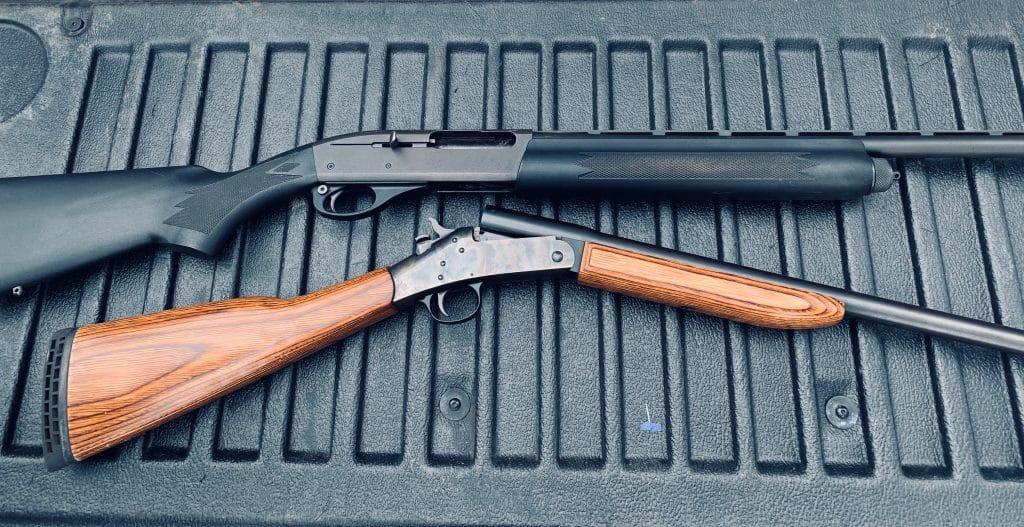
A single-shot firearm is a design that holds only one round of ammunition at a time. By definition, the user must manually reload the chamber after every discharge. While this may sound antiquated in the age of high-capacity magazines, it remains a gold standard for specific disciplines.
Why Choose Single-Shot?
The primary advantage of a single-shot platform is mechanical simplicity. With fewer moving parts, there is significantly less that can go wrong in the field.
- Superior Accuracy: Because the barrel is often fixed and free-floating without the complex gas-impingement systems required for cycling, these weapons are often more accurate.
- Reliability: You are significantly less likely to experience a “jam” or a “feed failure” with a single-shot design.
- Ammo Versatility: These systems can often handle a wider variety of specialized cartridges that might cause cycling issues in semi-automatic or automatic platforms.
The Power of Automatic Projectile Systems
Automatic firearms are designed for high-volume delivery of projectiles. By utilizing the energy from the previous shot to eject the spent casing and chamber a new round, these systems achieve a high rate of fire. In 2026, modern metallurgy and synthetic materials have made these platforms more durable than ever.
Tactical Advantages of Automatic Fire
The automatic projectile system is built for versatility and suppressive capabilities. When the situation requires immediate response or multiple engagements, the automatic platform is the standard choice.
- Rate of Fire: The ability to discharge multiple rounds in rapid succession provides a massive tactical advantage in high-stress scenarios.
- Versatility: These firearms are generally magazine-fed, allowing the user to carry a higher payload of ammunition.
- Modern Ergonomics: Most automatic systems are designed with modularity in mind, allowing for the attachment of optics, lights, and lasers.
Comparing Performance Metrics
When we look at single shot vs. automatic projectile performance, we have to weigh the trade-offs between precision and volume.
| Feature | Single Shot | Automatic |
| :— | :— | :— |
| Rate of Fire | Low (Manual) | High (Mechanical) |
| Complexity | Minimal | High |
| Accuracy | High | Variable |
| Maintenance | Easy | Intensive |
While the automatic system offers superior firepower, it often comes at the cost of increased weight and complex maintenance requirements. Conversely, the single-shot user gains portability and ease of care but sacrifices the ability to engage multiple targets quickly.
<img alt="Single Shot Vs Double Shot Espresso" src="https://lookaside.instagram.com/seo/googlewidget/crawler/?mediaid=3711262259873309775″ style=”max-width:100%; height:auto; border-radius:8px; margin: 1rem 0;” />
(Note: While terminology often overlaps in various industries, selecting the right tool for the job—whether in ballistics or beyond—requires understanding the mechanical constraints of your equipment.)
Which Should You Choose in 2026?
If you are prioritizing target shooting, long-range precision, or hunting, the single-shot firearm is often the superior choice. Its simplicity forces the shooter to focus on the fundamentals—every shot counts, and the mechanical integrity of the firearm is rarely in question.
However, if your needs involve self-defense, duty use, or tactical simulation, the automatic or semi-automatic projectile system is the industry standard. The ability to manage a threat with sustained fire is a capability that single-shot weapons simply cannot replicate.
Conclusion
The evolution of firearms has brought us to a point where we don’t have to choose between quality and functionality—we choose based on the mission. In 2026, the single-shot vs. automatic projectile debate isn’t about which is “better,” but which is more appropriate for your specific application.
Whether you appreciate the minimalist precision of a single-shot rifle or the high-octane engineering of an automatic system, always prioritize safety, proper training, and responsible ownership. Understanding the mechanics behind your gear is the first step toward becoming a more proficient and informed shooter.