
In the hyper-competitive landscape of 2026 gaming, the margin between a legendary play and a missed opportunity is thinner than ever. As game engines like Unreal Engine 6 and proprietary physics-based platforms become the industry standard, the way we perceive shooting mechanics has fundamentally shifted. Gone are the days when every firearm operated on a simple hitscan logic. Today, understanding projectile speed—also known as muzzle velocity or flight velocity—is no longer a niche skill for snipers; it is a fundamental requirement for anyone looking to climb the ranks in modern tactical shooters, battle royales, and immersive RPGs.
If you have ever found yourself frustrated by shots that seem to pass through an enemy without registering damage, or if you have struggled to hit targets at long range despite your crosshair being perfectly aligned, you are likely battling the complexities of simulated ballistics. This guide breaks down exactly what projectile speed is, why it is the defining factor in modern 2026 gameplay, and how you can master it to dominate your opponents.
Defining Projectile Speed: The Physics of Virtual Ballistics
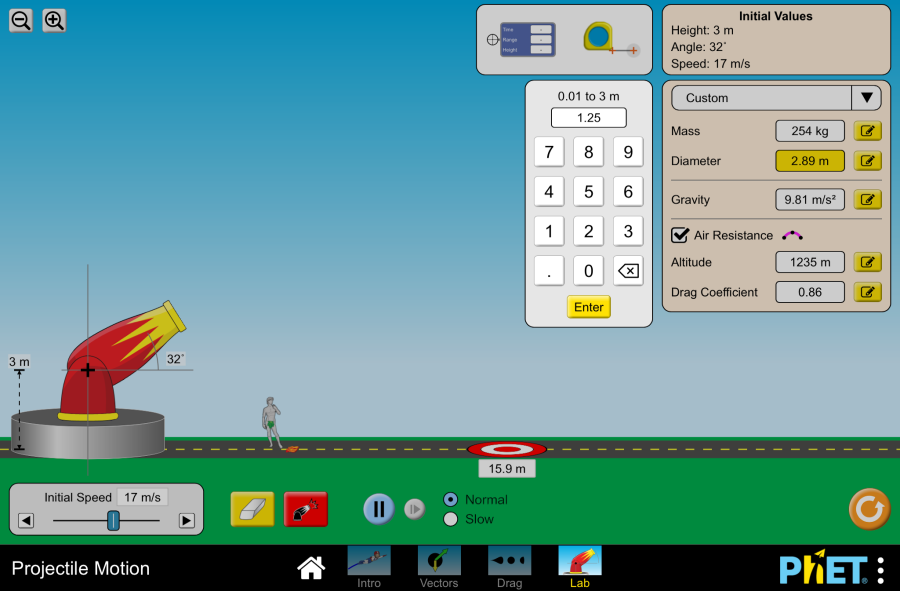
At its core, projectile speed is the measurement of how fast an object—whether it is a bullet, an arrow, a plasma bolt, or a rocket—travels through the game world after it leaves the weapon’s barrel. In older titles, developers relied on hitscan mechanics, where the game engine performs an instant calculation to determine if your crosshair is over a target at the moment of the trigger pull. If it is, the game registers a hit immediately.
However, 2026 gaming has moved toward projectile-based systems to increase realism and skill expression. In these systems, the game treats the projectile as a physical entity with its own velocity property. The moment you fire, the server begins tracking that object as it traverses the map. This introduces three critical variables that players must master: travel time, gravity drop, and drag coefficient. Because the projectile is moving through a virtual environment, it takes a finite amount of time to reach its destination. If you are playing at a high level, you must treat your weapon not as a laser pointer, but as a system that requires timing and spatial awareness.
The Evolution of Ballistics in 2026 Gaming
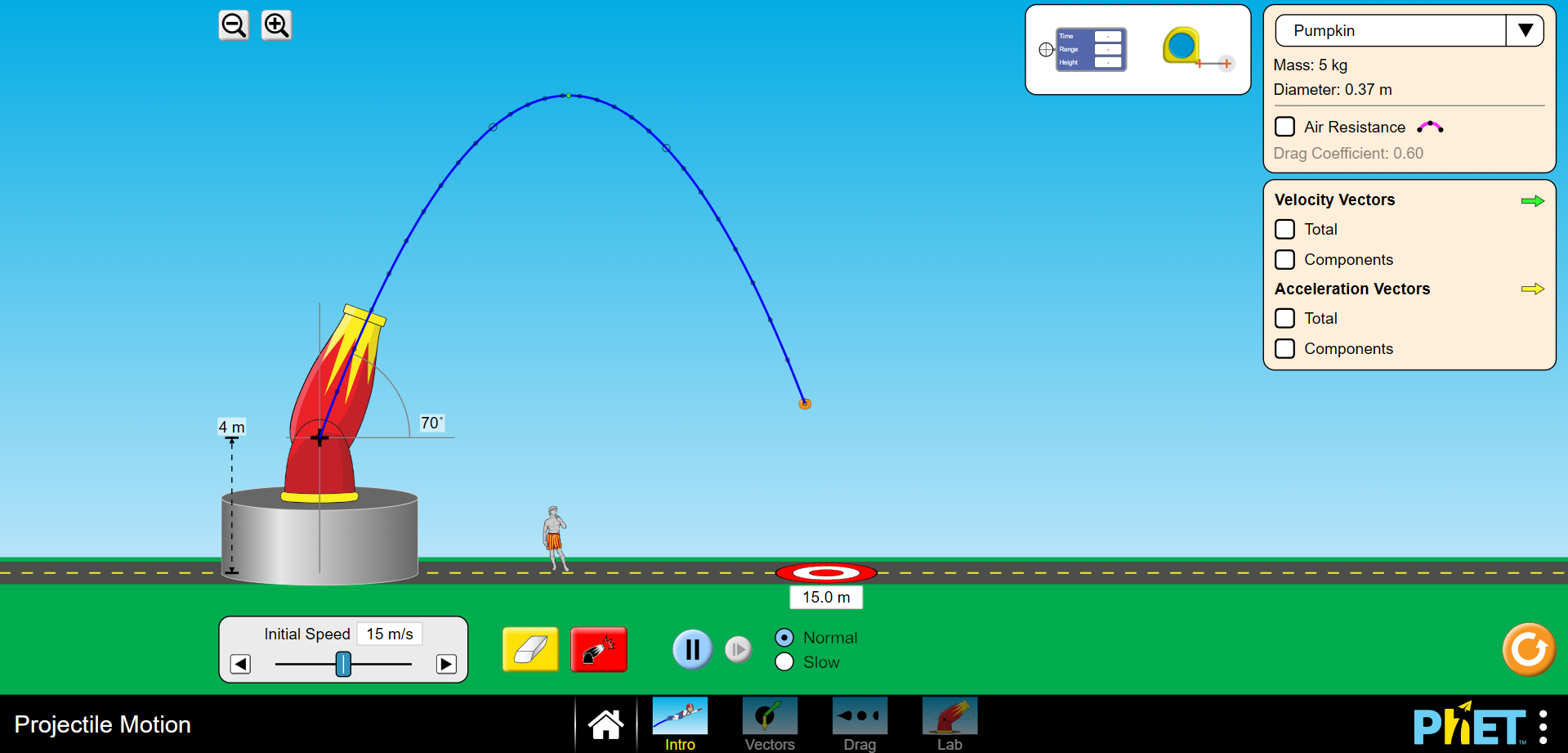
The transition toward high-fidelity ballistics is driven by the demand for more immersive gameplay. In 2026, many top-tier titles have implemented dynamic wind resistance and variable gravity zones. This means that projectile speed is no longer a static number for every weapon in a class; it is now a dynamic stat that changes based on environmental factors. For example, in high-altitude map segments, air density might be lower, causing a bullet to retain its muzzle velocity for a longer distance before succumbing to gravity.
Developers are now using sub-tick physics updates to ensure that even at extreme ranges, the path of a projectile remains consistent with the visual feedback provided to the player. This consistency is vital for competitive integrity. When players know exactly how a weapon behaves, they can build muscle memory. Understanding that your sniper rifle has a projectile velocity of 950 meters per second allows you to calculate your lead distance subconsciously, turning complex physics into a reflexive action.
Mastering the Art of Leading Your Target
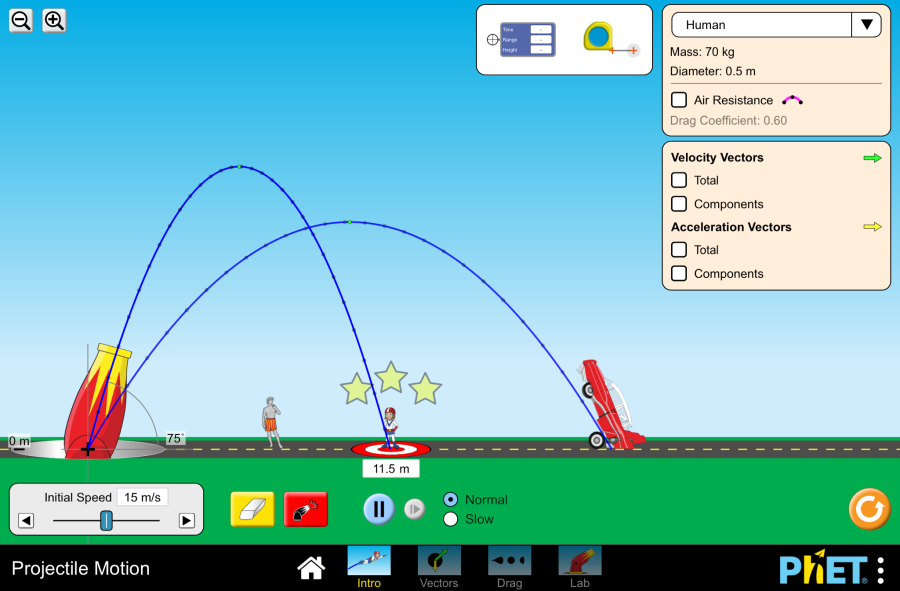
Leading your target is perhaps the most significant challenge introduced by projectile speed. Because your target is rarely standing still, you cannot aim directly at their current position. You must aim at the position where they will be by the time your projectile reaches them. This requires a deep understanding of the Time-to-Target (TTT) formula.
To calculate the lead distance, you must consider the target’s movement speed, the distance to the target, and your weapon’s projectile velocity. In 2026’s most popular shooters, players are encouraged to utilize rangefinders and ballistic computers if the game allows, but the best players rely on visual cues. If you are using a weapon with a low projectile speed, such as a suppressed submachine gun, your lead distance must be significantly larger than it would be with a high-velocity marksman rifle. Practice this by heading to the game’s firing range and testing your weapon’s performance at 100, 300, and 500-meter intervals. Watching how much you need to adjust your reticle at these distances will help you internalize the velocity drop-off associated with your preferred loadout.
Gravity Drop and Vertical Compensation
Projectile speed is inextricably linked to gravity drop. In most modern game engines, the faster a projectile travels, the flatter its trajectory remains over long distances. Conversely, if a weapon has a low projectile speed, the game’s physics engine will apply a steeper gravity arc, causing the projectile to drop toward the ground much sooner.
This creates a dual-layer challenge for long-range engagements. Not only must you compensate horizontally for the target’s movement, but you must also compensate vertically for the bullet’s inevitable drop. In 2026, many tactical shooters have introduced mils-based reticles on optics, allowing players to use specific markings to align their shots based on the estimated distance. If you know your target is 400 meters away and your weapon has a projectile speed of 800 m/s, you might need to hold your aim two ticks above the target’s head to land a precision shot. Mastering this vertical holdover is what separates professional players from casual enthusiasts.
Optimizing Your Loadout for Maximum Velocity
In almost every modern shooter, you have the agency to modify your weapon’s statistics to suit your playstyle. If you find that your shots are consistently missing because you aren’t leading enough, you should look for ways to increase your muzzle velocity through the gunsmith or loadout menu. Common modifications include:
- Extended Barrels: These generally provide the highest boost to projectile speed, allowing bullets to travel further before experiencing significant gravity drop.
- High-Velocity Ammunition: Often found in tactical shooters, this ammo type trades raw damage or armor penetration for a massive increase in travel speed.
- Muzzle Attachments: Specialized compensators or suppressors can sometimes impact velocity; always check the stat bars in your weapon menu to see if your favorite silencer is penalizing your long-range effectiveness.
- Perks and Character Skills: Some RPG-style shooters feature character classes that provide passive buffs to projectile speed or ballistic stability.
Remember that every attachment is a trade-off. Increasing your projectile speed might reduce your aim-down-sight (ADS) speed or increase your weapon’s recoil. You must decide whether you prioritize reaction speed in close quarters or ballistic reliability at long range.
The Impact of Server Tick Rate on Projectile Registration
A frequently overlooked aspect of projectile speed is the server tick rate. In 2026, most competitive games operate on 128-tick servers, meaning the game state is updated 128 times per second. This is crucial for projectile-based combat. If a game has a low tick rate, the server might struggle to accurately calculate the position of a fast-moving projectile in relation to a moving player model. This can result in “ghost bullets,” where your aim was perfect, but the server failed to register the hit due to a synchronization error.
When choosing a game to play competitively, look for titles that prioritize high-frequency server updates. This ensures that the projectile velocity you see on your screen matches the server’s calculation of where that bullet should be. If you are experiencing inconsistent hits, it may not be your aim; it could be the game’s inability to handle the high velocity of your projectiles within its current tick rate architecture.
Frequently Asked Questions About Projectile Speed
1. Is projectile speed always better?
Not necessarily. While higher projectile speed makes it easier to hit moving targets, it often comes at the cost of other weapon stats like damage, recoil control, or mobility. You should balance your velocity based on the engagement ranges of the map you are playing.
2. Does projectile speed affect damage output?
In most games, projectile speed does not directly change the base damage of a bullet, but it can affect damage drop-off. Many modern shooters use a system where bullets lose velocity and kinetic energy over distance, leading to reduced damage at long ranges. Therefore, higher velocity can indirectly help maintain your weapon’s effective damage range.
3. How do I practice leading targets effectively?
The best way to practice is to use a custom game lobby or a target range. Set up moving bots at varying distances and speeds. Focus on the visual feedback of where your tracers land. Once you associate a specific distance with a specific “lead” distance on your screen, your muscle memory will take over during live matches.
4. Does lag affect projectile speed?
Lag does not change the projectile speed itself, but it changes how you perceive the game world. High latency or packet loss can make it appear as though your projectiles are slower or missing their mark. Always ensure you are playing on a server with low ping to keep your ballistic synchronization intact.
Conclusion: The Future of Precision Gaming
As we navigate through 2026, the reliance on projectile speed and complex ballistics represents the maturation of the first-person shooter genre. Developers are no longer satisfied with simple point-and-click mechanics; they want players to feel the weight, power, and physics of the weapons they wield. By understanding how velocity, gravity, and server performance interact, you can elevate your gameplay from reactive to calculated.
Whether you are sniping across an open desert in a battle royale or holding a tight angle in a tactical objective-based shooter, mastering the physics of your projectile is the ultimate competitive advantage. Take the time to analyze your weapon’s stats, experiment with different attachments, and spend time in the training range. In the world of modern gaming, those who respect the physics of their ammunition are the ones who will consistently come out on top.
Tags: Projectile Speed, Gaming Ballistics, FPS Mechanics, Muzzle Velocity, Competitive Gaming 2026
Category: Gaming Guides