The business landscape of 2026 is defined by a singular, unforgiving reality: speed is no longer a competitive advantage; it is the baseline for survival. In an era where market conditions shift hourly and consumer behaviors evolve in real-time, organizations clinging to traditional, linear reporting cycles are effectively flying blind. The gap between data generation and actionable insight has become the new battleground for market dominance. This is why the concept of building a smarter analytics workflow has exploded from a niche technical discussion into a boardroom imperative.
Gone are the days when "analytics" meant waiting weeks for a static PDF report that was outdated the moment it landed in your inbox. Today, the most successful enterprises are those that have mastered the art of agile analytics, transforming raw data streams into immediate, intelligent actions. By integrating AI-driven automation, breaking down organizational silos, and adopting iterative development cycles, companies can turn their data infrastructure into a dynamic engine for growth. This guide explores exactly how to construct this next-generation workflow, leveraging the latest methodologies from industry leaders to ensure your organization doesn't just keep up, but leads the pack in 2026.
The Paradigm Shift: From Static Reporting to Agile Intelligence
To build a smarter analytics workflow in 2026, one must first dismantle the mental model of the past decade. Traditional analytics workflows were often rigid, waterfall-style processes where requirements were gathered, data was extracted, models were built, and insights were delivered months later. In the fast-paced ecosystem of 2026, this latency is fatal. The modern approach is rooted in Agile Analytics, a methodology that applies the principles of iterative software development to data analysis.
Agile analytics prioritizes speed and flexibility without sacrificing the rigor of data quality. Instead of aiming for a perfect, monolithic dashboard at the end of a long project, agile teams focus on delivering a Minimum Viable Analysis (MVA). This initial output provides enough insight to make an immediate decision, after which the team gathers feedback, refines the model, and expands the scope in short, focused sprints. This cycle ensures that every piece of analysis is directly tied to a current business need, reducing waste and maximizing relevance.
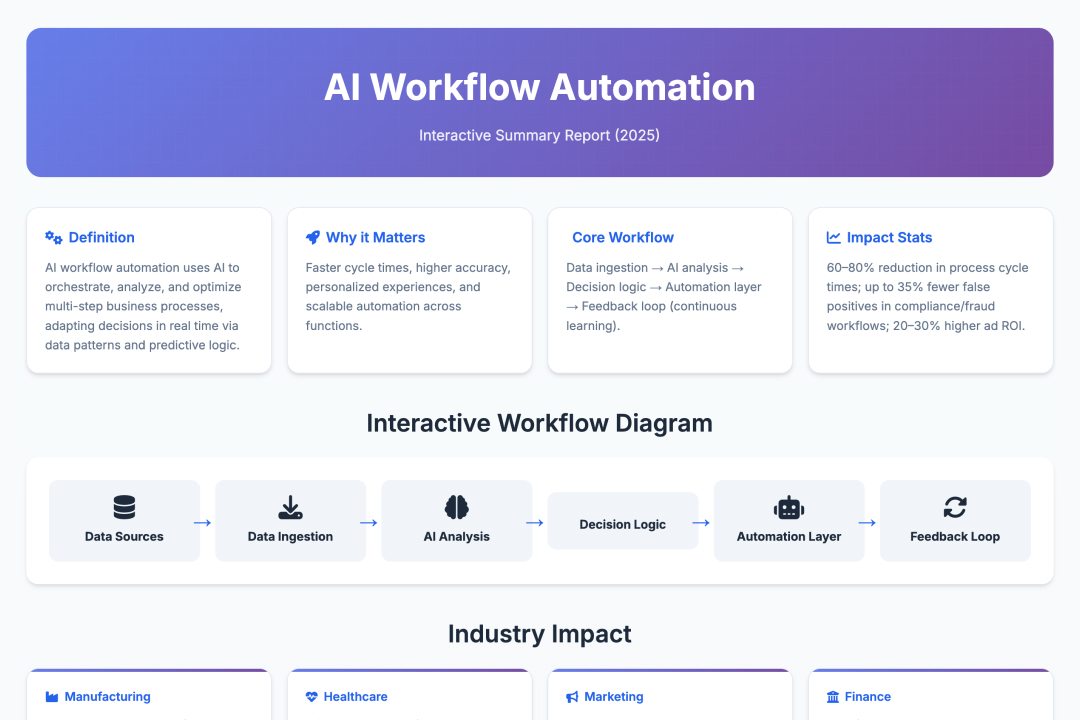
The shift is also driven by the sheer volume and velocity of data available today. With IoT devices, social media streams, and real-time transaction logs generating terabytes of information daily, manual processing is impossible. A smarter workflow in 2026 relies on automated data pipelines that ingest, clean, and structure data continuously. This allows analysts to spend less time wrangling spreadsheets and more time interpreting trends and strategizing responses. The goal is not just to report on what happened yesterday, but to predict what will happen tomorrow and prescribe actions to influence those outcomes.
Furthermore, the definition of "smart" has evolved with the integration of Generative AI and Large Language Models (LLMs). In 2026, these technologies are not just buzzwords; they are foundational components of the workflow. They enable natural language querying, allowing non-technical stakeholders to ask complex questions of the data without writing SQL code. They also automate the detection of anomalies and the generation of narrative summaries, turning dry numbers into compelling stories that drive executive action. Building a smarter workflow means embedding these intelligent agents directly into the data pipeline, creating a self-correcting, self-optimizing system.
The Core Pillars of a 2026 Analytics Architecture
Constructing a robust analytics workflow requires a solid foundation. In 2026, this foundation is built upon five critical pillars that ensure the system is scalable, secure, and user-centric. These pillars move beyond simple tool selection to encompass the entire ecosystem of data management and consumption.
1. Cloud-Native Infrastructure for Elastic Speed
The backbone of any modern analytics workflow is its infrastructure. In 2026, on-premise solutions are largely obsolete for agile operations due to their lack of scalability. A cloud-native architecture is essential, providing the ability to scale computing resources up or down instantly based on demand. This elasticity ensures that during peak times, such as holiday sales spikes or viral marketing campaigns, the system can handle massive data loads without slowing down.
Key features of this infrastructure include serverless computing options that eliminate the need for capacity planning and automated data lakes that store raw data in its native format until it is needed. This approach supports rapid experimentation, allowing data scientists to spin up temporary environments for testing hypotheses without impacting production systems. Furthermore, cloud platforms now offer integrated real-time streaming capabilities, enabling the ingestion of live data feeds for instant analysis.
2. Automated Data Orchestration and Quality
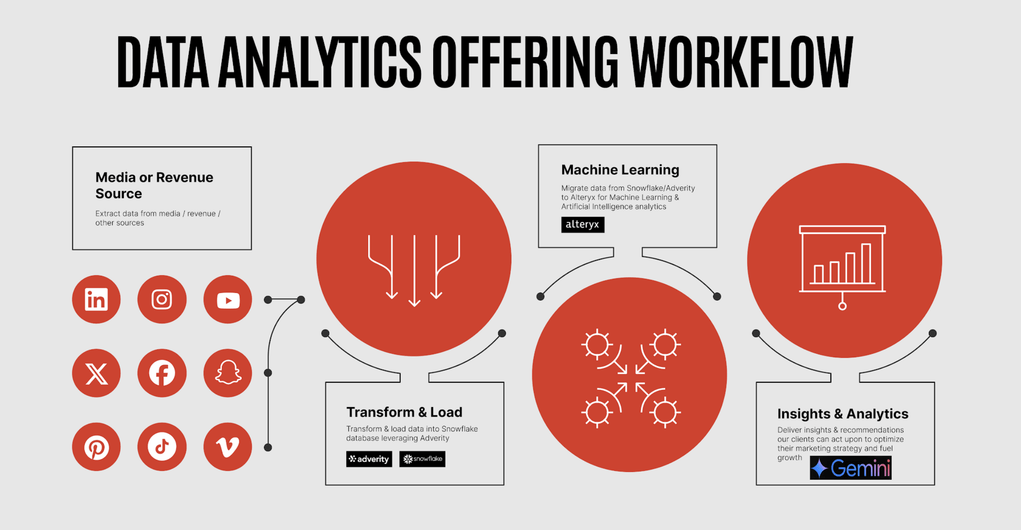
Data is only as good as its reliability. A smarter workflow incorporates intelligent data orchestration tools that automatically manage the flow of data from source to destination. These tools handle extraction, transformation, and loading (ETL) processes with minimal human intervention, using AI to detect schema changes and adapt pipelines dynamically.
Crucially, data quality checks are embedded directly into the pipeline. Instead of discovering errors after a report has been generated, automated tests validate data accuracy, completeness, and consistency at every stage of the journey. If an anomaly is detected, the system can automatically pause the pipeline, alert the engineering team, or even attempt self-correction based on predefined rules. This proactive approach builds trust in the data, ensuring that decision-makers act on information they know is accurate.
3. Self-Service Empowerment and Democratization
The era of the "data gatekeeper" is over. In 2026, the most effective workflows empower business users to access and analyze data independently. This is achieved through self-service analytics platforms that provide intuitive interfaces for data exploration, visualization, and modeling. These tools allow marketing managers, product owners, and financial analysts to answer their own questions without waiting for a data engineer to write a query.
However, self-service does not mean chaos. It is supported by a layer of governance that ensures security and compliance. Users are granted access to certified datasets and pre-approved metrics, preventing the proliferation of conflicting versions of the truth. This balance between freedom and control fosters a culture of data literacy, where employees across the organization feel confident using data to drive their daily decisions.
4. Collaborative Cross-Functional Teams
Technology alone cannot build a smarter workflow; it requires the right people working together. Traditional silos between IT, data engineering, data science, and business units create bottlenecks that kill agility. The 2026 model relies on cross-functional squads where these diverse roles collaborate closely on shared objectives.
In these teams, data engineers ensure the availability and quality of data assets, data scientists develop advanced models and algorithms, analysts translate business questions into analytical frameworks, and decision-makers provide context and act on the insights. This collaborative environment encourages the sharing of knowledge and reduces the friction of handoffs. Roles become fluid, with analysts occasionally writing code and engineers gaining a deeper understanding of business strategy, creating a more cohesive and responsive unit.
5. Integrated AI and Predictive Capabilities
Finally, a truly smart workflow in 2026 is infused with Artificial Intelligence at every layer. AI is not just a tool for analysis; it is the engine that drives the workflow itself. Machine learning models are used to forecast trends, identify opportunities, and simulate scenarios before decisions are made.
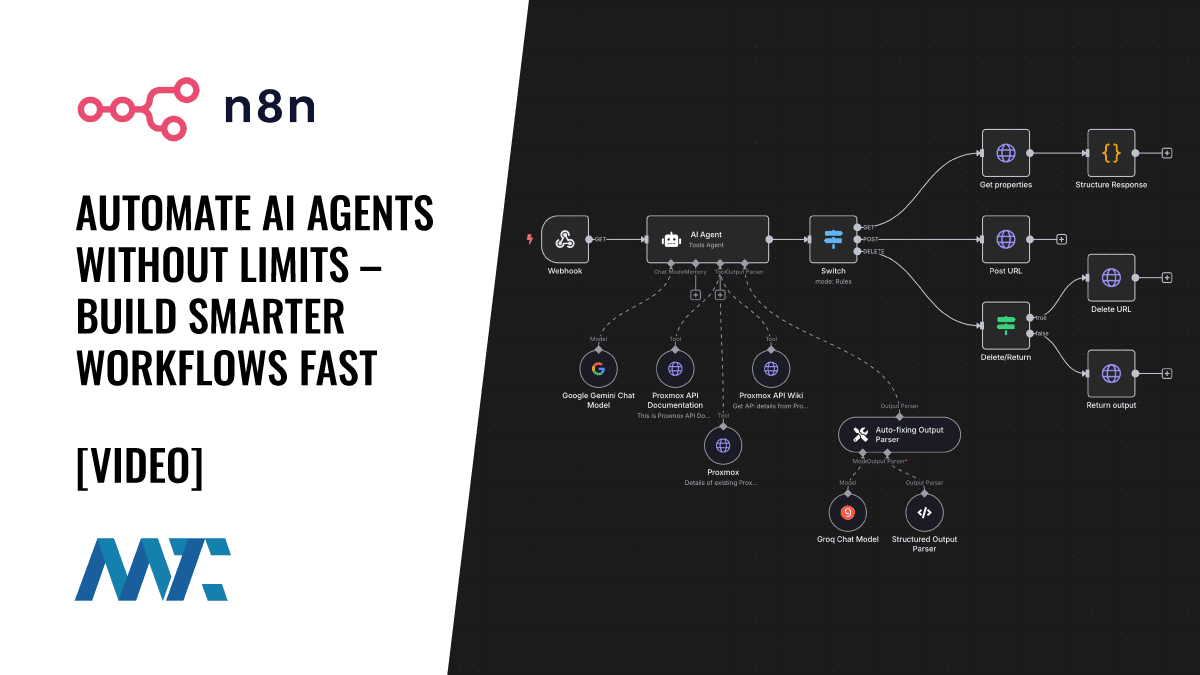
Moreover, AI agents are increasingly taking on operational tasks, such as scheduling reports, distributing insights to relevant stakeholders, and even triggering automated actions in other systems based on specific data thresholds. For instance, if inventory levels drop below a predicted threshold, the AI can automatically generate a purchase order recommendation and send it to the supply chain manager for approval. This level of predictive and prescriptive analytics transforms the workflow from a passive reporting mechanism into an active driver of business value.
Implementing the Analytics Development Lifecycle (ADLC)
To operationalize these pillars, organizations must adopt a structured yet flexible process known as the Analytics Development Lifecycle (ADLC). Popularized by industry experts, the ADLC provides a repeatable framework for moving from raw data to trusted insights. Unlike the rigid waterfalls of the past, the ADLC in 2026 is cyclical and iterative, designed to accommodate change and continuous improvement.
Phase 1: Plan and Define Objectives
Every successful analytics initiative begins with clarity. Before a single line of code is written or a dataset is queried, the team must define the business objective. What specific decision needs to be made? What is the timeframe? How will the success of this analysis be measured? This phase involves close collaboration between analysts and stakeholders to ensure that the analytical effort is aligned with strategic goals. Skipping this step often leads to "analysis paralysis," where vast amounts of data are processed but yield no actionable value.
Phase 2: Develop and Explore
Once the objectives are clear, the team moves into the development phase. This involves data exploration to understand the available datasets, their quality, and their relevance to the problem at hand. Analysts use self-service tools to perform initial investigations, identifying patterns and potential correlations. Simultaneously, data engineers work on building or refining the necessary data pipelines to ensure the required data is accessible and properly formatted. This phase is characterized by rapid prototyping and experimentation.
Phase 3: Test and Validate
Trust is the currency of analytics. In the testing phase, rigorous validation procedures are applied to ensure the accuracy and reliability of the findings. This includes unit testing of data transformations, peer reviews of analytical logic, and sanity checks against known benchmarks. Automated testing frameworks play a crucial role here, running thousands of checks to catch errors that human reviewers might miss. The goal is to certify that the insights are robust enough to support critical business decisions.
Phase 4: Deploy and Operationalize
After validation, the analysis is deployed into the production environment. This doesn't just mean publishing a dashboard; it involves integrating the insights into the daily workflows of the business users. In 2026, deployment often means embedding analytics directly into operational applications, such as CRM systems or supply chain management tools. APIs and webhooks are used to push insights to where the work happens, ensuring that data informs action in real-time.
Phase 5: Operate, Observe, and Iterate
The lifecycle does not end at deployment. The final phase involves continuous monitoring and observation of the analytics assets. Teams track usage metrics, performance indicators, and the impact of the insights on business outcomes. Feedback loops are established to gather input from users, which informs the next iteration of the analysis. This continuous improvement cycle ensures that the analytics workflow remains relevant and effective as business conditions evolve.
Breaking Silos: The Human Element of Smart Workflows
While technology provides the tools, the human element determines the success of an analytics workflow. In 2026, the most significant barrier to smarter analytics is often organizational culture rather than technical limitation. Data silos remain a pervasive issue, where departments hoard data and insights, preventing a holistic view of the business.
Building a smarter workflow requires a deliberate effort to break down these silos. This starts with leadership fostering a culture of data sharing and transparency. When data is treated as a shared asset rather than a departmental trophy, collaboration flourishes. Organizations are increasingly adopting the concept of "hats, not badges," where individuals are encouraged to wear multiple hats—engineer, analyst, decision-maker—depending on the needs of the project. This flexibility reduces dependency on specific roles and accelerates the pace of innovation.
Communication is another critical component. Insights are useless if they cannot be understood or acted upon. Analysts must develop strong storytelling skills, translating complex data findings into clear, compelling narratives that resonate with stakeholders. Visualization plays a key role here, with interactive dashboards and dynamic charts helping to convey the story behind the numbers. Effective communication ensures that insights lead to actionable decisions, closing the loop between data and value creation.
Furthermore, investing in data literacy across the organization is essential. As analytics tools become more powerful and accessible, the expectation is that all employees possess a basic level of data fluency. Training programs and workshops help demystify data concepts, empowering employees to ask better questions and interpret results more accurately. A data-literate workforce is a prerequisite for a truly smart analytics workflow, as it expands the pool of talent capable of driving data-informed initiatives.
Future-Proofing Your Strategy: Trends Shaping 2026 and Beyond
As we navigate through 2026, several emerging trends are reshaping the landscape of analytics workflows. Staying ahead of these trends is crucial for maintaining a competitive edge. One of the most significant developments is the rise of composable analytics. This approach allows organizations to assemble custom analytics solutions from modular components, much like building with LEGO bricks. Composable analytics offers unparalleled flexibility, enabling businesses to tailor their workflows to specific needs without being locked into monolithic platforms.
Another major trend is the increasing importance of data ethics and privacy. With regulations becoming stricter and consumers more aware of their data rights, organizations must embed ethical considerations into their analytics workflows. This includes implementing privacy-preserving techniques like differential privacy and federated learning, which allow for analysis without exposing sensitive individual data. Trustworthy AI is no longer optional; it is a fundamental requirement for sustainable growth.
The convergence of analytics and operational technology (OT) is also gaining momentum. As industries like manufacturing and logistics become more digitized, the line between IT and OT blurs. Analytics workflows are increasingly integrating real-time data from sensors and machines to optimize operations, predict maintenance needs, and improve efficiency. This Industrial Internet of Things (IIoT) integration opens up new avenues for value creation, driving productivity and innovation in traditional sectors.
Finally, the concept of autonomous analytics is moving from theory to practice. In 2026, we are seeing the early stages of systems that can not only analyze data but also make and execute decisions autonomously within defined parameters. These self-driving analytics systems reduce the burden on human analysts, allowing them to focus on higher-level strategy and innovation. While full autonomy is still evolving, the trajectory is clear: the future of analytics is intelligent, adaptive, and increasingly independent.
Frequently Asked Questions About Smarter Analytics Workflows
Q: What is the biggest mistake companies make when trying to build a smarter analytics workflow?
A: The most common mistake is focusing solely on technology while ignoring culture and process. Buying the most advanced AI tools won't help if your organization lacks clear business objectives, suffers from data silos, or doesn't have a culture of data literacy. Success requires a holistic approach that balances people, processes, and technology.
Q: How long does it take to transition from a traditional to an agile analytics workflow?
A: There is no one-size-fits-all timeline, as it depends on the size of the organization and the maturity of its current data practices. However, many companies begin to see tangible improvements within 3 to 6 months by starting with small, high-impact pilot projects. The key is to start small, iterate quickly, and scale gradually based on success and learnings.
Q: Do we need a large team of data scientists to implement a smart workflow?
A: Not necessarily. While data scientists are valuable for complex modeling, modern self-service tools and AI assistants have democratized analytics, allowing business analysts and even non-technical users to perform sophisticated analyses. The focus should be on building cross-functional teams where different roles collaborate, rather than relying exclusively on a specialized data science team.
Q: How do we ensure data security in a highly automated, self-service environment?
A: Security is maintained through a combination of role-based access control (RBAC), automated governance policies, and continuous monitoring. Modern platforms allow administrators to define granular permissions and certify datasets, ensuring that users only access data they are authorized to see. Automated auditing tracks all data usage, providing visibility and accountability.
Q: Can small businesses benefit from building a smarter analytics workflow?
A: Absolutely. In fact, smaller organizations often have the advantage of agility, allowing them to implement changes faster than large enterprises. Cloud-based solutions and no-code tools have lowered the barrier to entry, making advanced analytics accessible and affordable for businesses of all sizes. The principles of agility and data-driven decision-making are universally applicable.
Conclusion: The Path to Data-Driven Dominance
Building a smarter analytics workflow in 2026 is not merely a technical upgrade; it is a strategic transformation that redefines how an organization operates, competes, and grows. By embracing agile methodologies, leveraging AI-driven automation, and fostering a culture of collaboration and data literacy, businesses can unlock the full potential of their data assets. The journey requires commitment, patience, and a willingness to challenge the status quo, but the rewards are immense.
Organizations that successfully implement these workflows will find themselves equipped to navigate uncertainty with confidence, seizing opportunities as they arise and mitigating risks before they materialize. They will move from reacting to the past to shaping the future, driven by insights that are timely, accurate, and actionable. As we progress further into 2026, the divide between those who master their data and those who are overwhelmed by it will only widen. The choice is clear: build a smarter analytics workflow today, or risk being left behind tomorrow. The tools, the methods, and the knowledge are all within reach; the only thing left to do is to take the first step.
References
- Certainty Infotech — Creating an Agile Analytics Workflow for Rapid Decision-Making, 2025
- Tableau Blueprint — Modern Analytics Workflow: Access, Interact, Analyze, Share, Govern, 2025
- dbt Labs — What Should a Data Analytics Workflow Look Like? Principles of Scale and Velocity, 2025
- Kuse Blog — Business Intelligence Workflow: Turning Data Into Decisions in 2025, 2025
- Sigma Computing — Six Steps To Smarter Analytics: An Engineer's Guide To The ADLC, 2025
- MIT Sloan Management Review — How to Build an Effective Analytics Practice: Insights for the Next Decade, 2025
- Disruptive Advertising — Data and Analytics Agency Strategies for Workflow Optimization, 2025
- Martech Zone — N8n and Agentic AI: Building Smarter Workflows Without Limits, 2025