In the hyper-accelerated business landscape of 2026, data is no longer just an asset; it is the very oxygen that fuels organizational survival. Yet, a paradox persists: while companies generate more data than ever before, decision-makers often drown in a sea of unstructured information. The difference between market leadership and obsolescence today lies not in the volume of data collected, but in the clarity of the insights derived from it. As artificial intelligence reshapes how we process information, the human ability to craft compelling, clear, and actionable reports has become the ultimate competitive advantage.
Gone are the days when a 50-page spreadsheet dump was considered a "comprehensive report." In 2026, stakeholders demand immediacy, precision, and narrative depth. They need to know what happened, why it matters, and how to act within seconds of opening a document. This shift represents a fundamental evolution in business communication, moving from static documentation to dynamic storytelling. The most successful organizations are those that have mastered the art of transforming complex analytics into clear business insights that drive strategic execution.
This guide explores the definitive best practices for reporting in the modern era. By integrating advanced AI tools with timeless principles of clarity and structure, you can elevate your reporting from a mundane administrative task to a strategic powerhouse. Whether you are a CFO navigating new ESG regulations or a project manager aligning cross-functional teams, these tips will ensure your reports cut through the noise and deliver value.
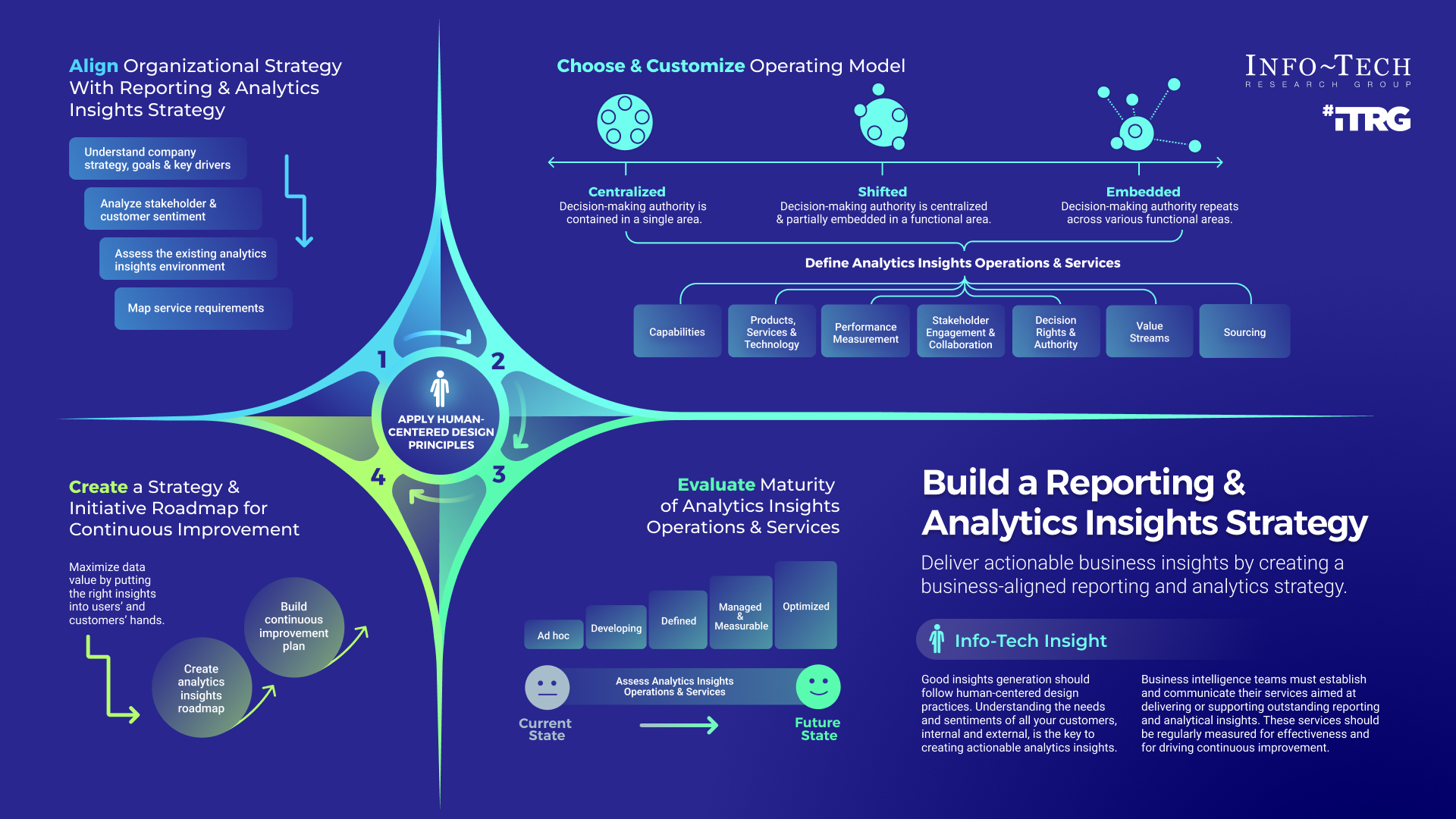
The Evolution of Business Reporting in 2026
The context for business reporting has shifted dramatically over the last few years. In previous decades, reporting was largely retrospective—a historical record of what occurred last quarter or last year. Today, driven by real-time data streams and predictive analytics, reporting is increasingly prospective and prescriptive. The trend in 2026 is defined by the integration of generative AI, which automates the heavy lifting of data aggregation, allowing human analysts to focus on interpretation and strategy.
However, technology alone cannot solve the problem of poor communication. Despite having access to sophisticated dashboards and automated alerts, many executives still receive reports that are cluttered, jargon-heavy, and difficult to parse. This "information overload" leads to analysis paralysis, where critical decisions are delayed because the path forward is obscured by unnecessary detail. The most effective reports in 2026 are those that respect the reader's time, utilizing concise reporting techniques to highlight only what is essential for decision-making.
Furthermore, the regulatory environment has tightened. With stricter requirements around Environmental, Social, and Governance (ESG) metrics and data privacy, reports must now be not only clear but also rigorously accurate and compliant. The margin for error has vanished. A single misinterpreted data point can lead to significant financial penalties or reputational damage. Therefore, the modern reporter must act as both a data scientist and a storyteller, ensuring that every figure tells a truthful part of the larger business narrative.
From Data Dumps to Strategic Narratives
The transition from raw data to strategic insight requires a fundamental change in mindset. Traditional reports often followed a linear structure: background, methodology, data, and finally, a conclusion buried at the end. In 2026, this approach is considered obsolete. Leading organizations have adopted the Minto Pyramid Principle, flipping the structure to lead with the answer. This method ensures that busy executives receive the key takeaway immediately, with supporting data available for those who wish to drill deeper.
This shift is not merely about formatting; it is about empathy for the audience. Understanding that a CEO has different needs than a technical engineer is crucial. While the engineer may require granular code-level diagnostics, the CEO needs a high-level view of risk and opportunity. Effective reporting in 2026 tailors the content to the specific audience targeting requirements of each stakeholder group, ensuring relevance and engagement.
Moreover, the rise of remote and hybrid work models has intensified the need for asynchronous clarity. When teams are not physically present to clarify ambiguities in a meeting, the written report must stand entirely on its own. Ambiguity is the enemy of execution. Reports must be self-explanatory, using plain language and visual aids to convey complex ideas without the need for further clarification. This autonomy empowers teams to move faster and make decisions with confidence.
Mastering the Art of Audience-Centric Reporting
The cornerstone of any effective business report is a deep understanding of its audience. One size does not fit all in the world of data communication. A report designed for a board of directors will fail miserably if presented to an operational team, and vice versa. In 2026, the most successful analysts are those who can seamlessly pivot their communication style to match the cognitive preferences and informational needs of their readers.
Identifying Stakeholder Needs
Before writing a single word, you must ask: Who is reading this? and What decision will they make based on this? These two questions form the foundation of audience-centric reporting. For C-suite executives, the focus should be on strategic implications, high-level trends, and bottom-line impact. They typically prefer executive summaries that are no longer than one page, highlighting key risks and opportunities.
Conversely, operational managers and technical teams require detailed breakdowns, specific metrics, and actionable steps. They need to understand the "how" and the "when," not just the "what." Failing to distinguish between these audiences results in reports that are either too vague to be useful or too dense to be read. By segmenting your audience and customizing your message, you ensure that your insights land with maximum impact.
It is also essential to consider the level of data literacy within your audience. Not everyone is fluent in statistical analysis or financial modeling. Using overly technical jargon can alienate readers and obscure your message. In 2026, the trend is toward plain language reporting, where complex concepts are explained simply and clearly. This democratization of data ensures that insights are accessible to everyone in the organization, fostering a culture of data-driven decision-making.
Tailoring Content for Different Levels
Once you have identified your audience, the next step is to tailor the content accordingly. This involves selecting the right metrics, choosing appropriate visualizations, and adjusting the tone of the narrative. For example, a sales report for the VP of Sales might focus on revenue growth, customer acquisition costs, and pipeline velocity. The same data, when presented to the marketing team, might emphasize campaign performance, lead quality, and conversion rates.
Visual elements play a crucial role in this customization. Executives often respond well to high-level dashboards and trend lines, while analysts may prefer detailed tables and scatter plots. The key is to use visuals that enhance understanding rather than decorate the page. Every chart, graph, and table should serve a specific purpose, answering a specific question for the intended reader.
Furthermore, the frequency and format of reporting should align with the audience's workflow. Operational teams may benefit from daily or weekly updates delivered via mobile-friendly dashboards, while strategic leaders may prefer monthly or quarterly deep dives in a formal document format. Aligning your reporting cadence with the rhythm of the business ensures that your insights are timely and actionable.
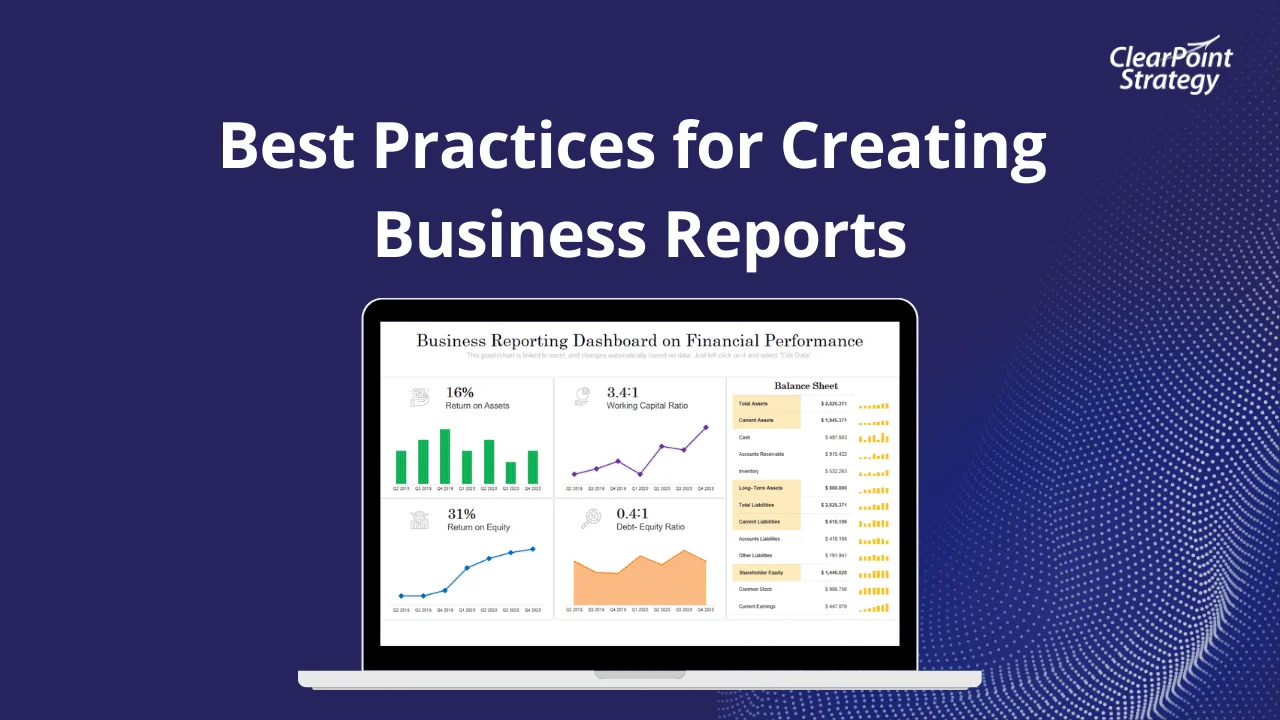
Structural Excellence: The Minto Pyramid and Beyond
Structure is the skeleton upon which the flesh of your data hangs. Without a logical and intuitive structure, even the most brilliant insights can get lost. In 2026, the gold standard for business reporting structure remains the Minto Pyramid Principle, developed by Barbara Minto at McKinsey. This principle dictates that you should start with the answer, followed by key supporting arguments, and then the underlying data.
Leading with Conclusions
The most common mistake in business reporting is saving the conclusion for the end. This forces the reader to wade through pages of background information and analysis before discovering the point. In a fast-paced environment, this is a luxury few can afford. By leading with the conclusion, you respect the reader's time and ensure that the most important information is consumed first.
For instance, instead of starting with "We analyzed Q3 sales data across five regions…", start with "Q3 sales declined by 8% due to supply chain disruptions in the APAC region." This immediate clarity allows the reader to grasp the situation instantly. If they agree with the assessment, they can move on. If they have questions, they can drill down into the supporting details provided in the subsequent sections.
This approach also facilitates better decision-making. When the recommendation is clear from the outset, stakeholders can begin evaluating options immediately. It reduces the cognitive load on the reader and streamlines the approval process. In 2026, where speed is a critical factor in competitive advantage, this structural efficiency is invaluable.
Organizing Supporting Arguments
Once the conclusion is stated, the next layer of the pyramid consists of the key supporting arguments. These should be limited to three or four main points to avoid overwhelming the reader. Each point should directly support the conclusion and be logically distinct from the others. This grouping helps the reader organize the information in their mind and follow the logic of your argument.
For example, if your conclusion is that the company should invest in AI automation, your supporting points might be: 1) Potential cost savings of 20%, 2) Improved customer response times, and 3) Competitive necessity. These points provide the rationale for the conclusion and set the stage for the detailed evidence that follows.
Using clear headings and subheadings is essential for navigating this structure. Headings should be descriptive and action-oriented, summarizing the content of the section rather than just labeling it. Instead of "Financial Data," use "Revenue Growth Driven by New Market Entry." This technique, known as action titles, guides the reader through the narrative and reinforces the key messages.
Presenting Data as Evidence
The base of the pyramid is where the raw data and detailed analysis reside. This is the evidence that substantiates your claims. While this section is crucial for credibility, it should be organized in a way that is easy to reference. Use tables, charts, and appendices to present the data clearly, avoiding clutter in the main body of the report.
In 2026, interactive elements are becoming increasingly common in digital reports. Readers can click on a chart to see the underlying data or filter views based on their interests. This interactivity allows for a deeper dive without sacrificing the clarity of the main narrative. However, the core principle remains: data serves the story, not the other way around.
Leveraging AI and Automation for Precision
The year 2026 marks a turning point in how technology supports business reporting. Artificial Intelligence (AI) and machine learning algorithms have moved from experimental tools to essential components of the reporting workflow. These technologies offer unprecedented capabilities for data processing, anomaly detection, and insight generation, allowing humans to focus on higher-value tasks.
Automating Data Collection and Cleaning
One of the most time-consuming aspects of reporting is gathering and cleaning data. In the past, analysts spent hours manually extracting data from various sources, reconciling discrepancies, and formatting spreadsheets. Today, AI-powered tools can automate these processes, pulling data from multiple systems in real-time and ensuring consistency and accuracy.
This automation not only saves time but also reduces the risk of human error. Manual data entry is prone to mistakes, which can compromise the integrity of the entire report. By relying on automated pipelines, organizations can ensure that their reports are built on a foundation of verified data. This reliability is critical for building trust with stakeholders and making confident decisions.
Moreover, automation enables real-time reporting. Instead of waiting for month-end closes to get a view of performance, leaders can access up-to-the-minute dashboards that reflect the current state of the business. This agility allows for quicker responses to market changes and emerging opportunities.
Enhancing Analysis with Predictive Insights
Beyond automation, AI excels at uncovering patterns and trends that might be invisible to the human eye. Machine learning algorithms can analyze vast datasets to identify correlations, predict future outcomes, and detect anomalies. These predictive insights add a new dimension to business reporting, shifting the focus from what happened to what is likely to happen.
For example, AI can forecast sales trends based on historical data, seasonal factors, and external market conditions. It can also flag unusual spending patterns that might indicate fraud or inefficiency. By integrating these insights into reports, analysts can provide proactive recommendations rather than just reactive observations.
However, it is important to remember that AI is a tool, not a replacement for human judgment. The role of the analyst is to interpret the AI's findings, contextualize them within the broader business strategy, and communicate them effectively. The combination of AI's computational power and human creativity creates a powerful synergy that drives superior business outcomes.
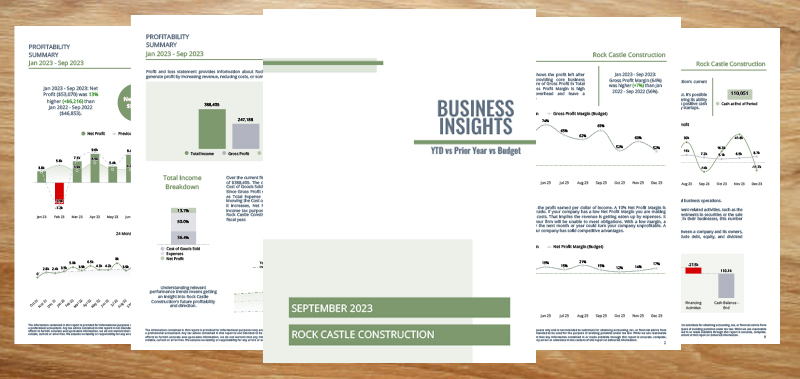
Visual Storytelling and Data Visualization
In an era of information overload, visual storytelling has become a critical skill for effective reporting. Humans process visual information much faster than text, making charts, graphs, and infographics powerful tools for conveying complex ideas quickly. In 2026, the expectation is not just for data to be presented visually, but for it to tell a compelling story that engages the audience emotionally and intellectually.
Choosing the Right Visuals
Not all charts are created equal. The choice of visualization should depend on the message you want to convey. Line charts are ideal for showing trends over time, bar charts for comparing categories, and scatter plots for identifying relationships between variables. Pie charts, while popular, should be used sparingly as they can be difficult to read accurately.
The key is to match the visual to the data and the insight. Avoid "chart junk"—unnecessary decorations, 3D effects, or excessive colors that distract from the message. Simplicity is paramount. A clean, minimalist design allows the data to speak for itself and ensures that the reader's attention is focused on the key takeaways.
Color should be used strategically to highlight important points or draw attention to outliers. Consistent color schemes help reinforce branding and make reports easier to navigate. In 2026, accessibility is also a major consideration, with designers ensuring that visualizations are readable for individuals with color vision deficiencies.
Crafting a Narrative Arc
Data visualization is most effective when it is part of a larger narrative arc. Just like a good story, a report should have a beginning, middle, and end. The beginning sets the context, the middle presents the evidence and analysis, and the end delivers the conclusion and recommendations. Visuals should flow logically from one to the next, guiding the reader through the story.
Annotations and callouts can be used to highlight specific data points or explain trends directly on the chart. This reduces the need for lengthy textual explanations and keeps the reader engaged. Interactive dashboards take this a step further, allowing users to explore the data on their own terms and discover insights that are relevant to them.
Ultimately, the goal of visual storytelling is to make the data memorable. When data is presented as a story, it resonates more deeply with the audience and is more likely to inspire action. In 2026, the ability to weave data into a compelling narrative is what separates good reporters from great ones.
Ensuring Accuracy and Compliance in a Regulated World
As the stakes for business reporting rise, so do the requirements for accuracy and compliance. In 2026, regulatory bodies around the world have implemented stricter standards for financial reporting, data privacy, and ESG disclosures. Organizations must navigate this complex landscape with precision to avoid legal pitfalls and maintain their reputation.
The Foundation of Trust
Accuracy is the bedrock of trust in business reporting. If stakeholders doubt the validity of the data, the entire report loses its value. This means implementing rigorous quality assurance processes to verify every number, fact, and figure before publication. Cross-referencing data sources, conducting peer reviews, and using automated validation tools are essential steps in this process.
Transparency is equally important. Reports should clearly disclose the methodologies used, the sources of the data, and any assumptions made during the analysis. This openness builds credibility and allows readers to evaluate the robustness of the findings. In an age of skepticism, transparency is a powerful asset.
Navigating Regulatory Landscapes
The regulatory environment in 2026 is characterized by rapid change and increased scrutiny. From GDPR and CCPA in the realm of data privacy to new ESG reporting frameworks, organizations must stay abreast of the latest requirements. Failure to comply can result in hefty fines, legal action, and reputational damage.
To manage this complexity, many companies are adopting integrated reporting platforms that automatically update to reflect regulatory changes. These platforms ensure that reports are consistently compliant across different jurisdictions and standards. Additionally, specialized training for reporting teams is crucial to ensure they understand the nuances of the regulations and can apply them correctly.
ESG reporting, in particular, has become a focal point. Investors and consumers are increasingly demanding transparency regarding a company's environmental impact, social responsibility, and governance practices. Reports must now include detailed metrics on carbon emissions, diversity statistics, and ethical supply chain practices. Integrating these non-financial metrics with traditional financial data provides a holistic view of the organization's performance and sustainability.
FAQ: Common Questions on Modern Business Reporting
Q: How has AI changed the role of a business analyst in 2026?
A: In 2026, AI has liberated business analysts from repetitive data collection and cleaning tasks. Instead of spending hours on spreadsheets, analysts now focus on interpreting AI-generated insights, crafting strategic narratives, and advising leadership on complex decisions. The role has shifted from "data processor" to "strategic storyteller."
Q: What is the biggest mistake companies make when creating reports today?
A: The most common mistake is prioritizing data volume over clarity. Companies often cram every available metric into a report, assuming more data equals better insights. In reality, this leads to information overload. The best practice is to be intentional: include only the data that directly supports the decision-making needs of the specific audience.
Q: How often should business reports be generated in a fast-paced environment?
A: The frequency depends on the audience and the nature of the data. Operational teams often benefit from real-time or daily dashboards to monitor immediate performance. Strategic leaders, however, typically require weekly or monthly deep dives that focus on trends and long-term goals. The key is to align the reporting cadence with the decision-making cycle of the stakeholder.
Q: Why is the Minto Pyramid Principle still relevant in the age of AI?
A: While AI can generate content and analyze data rapidly, it does not inherently understand the hierarchy of information needs for human decision-makers. The Minto Pyramid Principle addresses the cognitive limitations of busy executives by placing the most critical information first. This human-centric structure ensures that the core message is received and understood, regardless of how the data was processed.
Q: How can I improve the visual appeal of my reports without professional design skills?
A: Focus on simplicity and consistency. Use standard chart types that are easy to read, stick to a limited color palette, and utilize whitespace effectively. Many modern reporting tools come with pre-designed templates that adhere to best practices in data visualization. Leveraging these templates can significantly enhance the professional look of your reports without requiring advanced design expertise.
Conclusion: The Future of Insight-Driven Decision Making
As we navigate the complexities of the 2026 business landscape, one truth remains constant: clear, actionable insights are the currency of success. The organizations that thrive will be those that can cut through the noise of big data to deliver concise, accurate, and compelling reports. By embracing the principles of audience-centricity, structural excellence, and technological leverage, you can transform your reporting function into a strategic asset.
The journey from raw data to clear business insights requires a deliberate blend of art and science. It demands the precision of a data scientist, the empathy of a communicator, and the vision of a strategist. As you implement these best practices, remember that the goal is not just to inform, but to inspire action. Every report you create is an opportunity to shape the future of your organization.
In a world where change is the only constant, the ability to communicate clearly is your greatest superpower. Equip yourself with these tools, embrace the innovations of 2026, and lead your team toward a future defined by clarity, confidence, and growth. The era of confusing, data-heavy reports is over; welcome to the age of clear business insights.
References
- ClearPoint Strategy — Top 8 Best Practices for Creating Effective Business Reports, 2024
- Analyst Academy — Creating Clear and Concise Business Reports, 2025
- SystemSize — 8 Essential Tips for Crafting Effective Business Reports, 2024
- LinkedIn Professional Community — How to Write Clear Business Reports: The Minto Pyramid Approach, 2025
- Otio Blog — 12 Tips to Write Business Information Reports Efficiently, 2025
- B.Com Institute — Key Guidelines for Crafting Effective Business Reports, 2024
- Blixo — Crafting Compelling Reports: Strategies for Clear and Concise Data Communication, 2023
- Hubifi — Reporting & Analytics: The Ultimate 2025 Guide, 2025