The business landscape of 2026 is no longer defined by who has the most data, but by who can interpret it the fastest. In an era where artificial intelligence agents manage routine analytics and predictive models forecast market shifts before they happen, relying on static spreadsheets is a recipe for obsolescence. Recent trends indicate that 79% of organizations utilizing real-time data analytics have reported significant business improvements, boasting an average annual revenue growth of 15%. This isn't just a statistical blip; it represents a fundamental shift in how successful enterprises operate.
Gone are the days of waiting until the end of the month to realize a strategy failed. Today, the best ways to track business performance with data involve continuous, real-time monitoring powered by integrated ecosystems. Whether you are a small startup or a global enterprise, the ability to pivot instantly based on live insights is your competitive edge. Companies like Starbucks have leveraged these advanced data strategies to personalize customer experiences, resulting in a 25% increase in loyalty program usage. This article dives deep into the methodologies, tools, and strategic frameworks necessary to master performance tracking in 2026.
The Strategic Imperative of Real-Time Data in 2026
The transition from retrospective reporting to predictive and prescriptive analytics marks the defining characteristic of business intelligence in 2026. Historically, businesses operated on "lagging indicators"—metrics that told you what happened last week or last month. While these remain important for historical context, they are insufficient for navigating the volatility of modern markets. The current trend, driven by advancements in AI and cloud computing, prioritizes leading indicators that predict future outcomes.
Why Spreadsheets Are No Longer Enough
For decades, Microsoft Excel was the backbone of business reporting. However, in 2026, manual data entry and static formulas are recognized as critical bottlenecks. Spreadsheets are prone to human error, lack real-time connectivity, and cannot handle the sheer volume of data generated by modern digital interactions. When teams rely on manual updates, decisions are made on outdated information, leading to missed opportunities and inefficient resource allocation.
Modern KPI tools now offer automated data consolidation, pulling information from CRM systems, financial platforms, marketing channels, and operational databases into a single source of truth. This eliminates the "data silo" problem, where different departments work with conflicting numbers. By automating the collection process, leaders can focus on strategic interpretation rather than data wrangling.
The Rise of AI-Driven Insights
Artificial Intelligence has evolved from a buzzword to a practical utility in performance tracking. In 2026, AI agents do not just visualize data; they analyze it autonomously. These systems can detect anomalies, identify emerging trends, and even suggest corrective actions before a human analyst notices a dip in performance. For instance, if customer acquisition costs begin to rise unexpectedly, an AI-driven dashboard can instantly correlate this with specific ad campaigns or seasonal factors, providing immediate context.
This level of insight allows for proactive management. Instead of reacting to a crisis, businesses can mitigate risks before they escalate. The integration of generative AI also means that stakeholders can ask natural language questions like, "Why did our conversion rate drop in the Northeast region yesterday?" and receive instant, data-backed explanations.
Defining the Right Metrics: Beyond Vanity Numbers
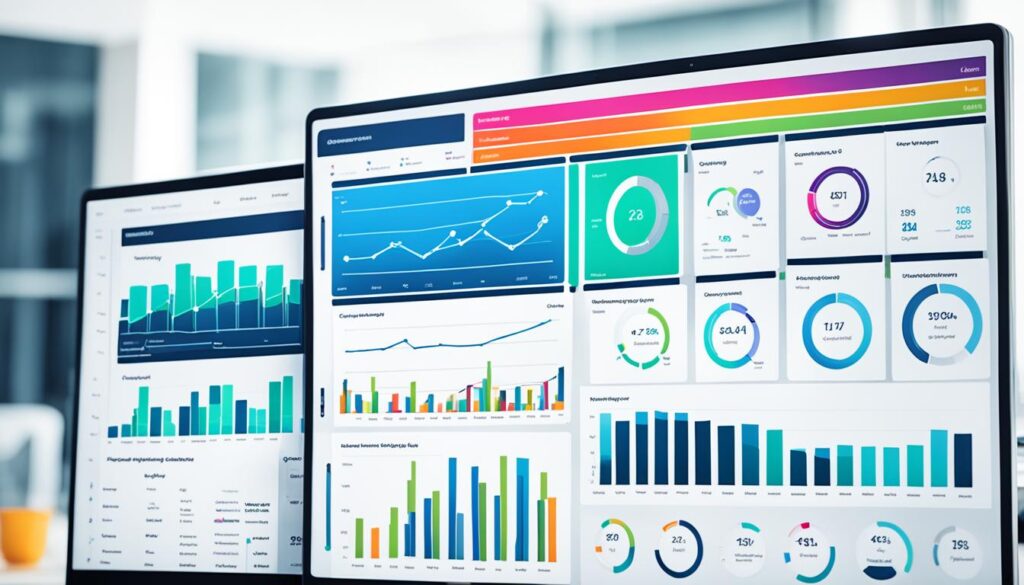
Tracking everything often leads to understanding nothing. A common pitfall in 2026 is "dashboard clutter," where executives are overwhelmed by hundreds of metrics that offer little actionable value. The key to effective performance tracking lies in selecting the right Key Performance Indicators (KPIs) that align directly with strategic goals.
Distinguishing Leading vs. Lagging Indicators
To build a robust tracking system, you must balance two types of metrics:
- Lagging Indicators: These confirm long-term trends and measure the results of past actions. Examples include total revenue, net profit margin, and customer churn rate. They tell you if you hit your targets.
- Leading Indicators: These predict future success and allow for course correction. Examples include website traffic growth, sales pipeline velocity, and customer satisfaction scores (CSAT) during onboarding.
In 2026, the most successful organizations place a heavier emphasis on leading indicators. By monitoring these predictive metrics, teams can adjust their tactics in real-time to ensure lagging indicators remain positive at the end of the quarter.
Essential KPIs for Modern Business
While every industry has unique needs, several core metrics remain universal pillars of performance tracking:
- Customer Acquisition Cost (CAC): Understanding the true cost of gaining a new customer is vital for sustainability. In an era of rising ad costs, optimizing CAC is crucial.
- Customer Lifetime Value (CLV): This metric predicts the total revenue a business can expect from a single customer. A healthy business model requires CLV to be significantly higher than CAC.
- Conversion Rate: Whether it's turning a visitor into a lead or a lead into a buyer, this percentage reveals the efficiency of your sales and marketing funnels.
- Employee Engagement Scores: Data shows that engaged teams drive better results. Tracking sentiment and productivity helps maintain a high-performance culture.
- Operational Efficiency Ratios: These measure how well resources are utilized, from inventory turnover rates to server uptime percentages.
Selecting the right mix of these metrics ensures that your dashboard tells a coherent story about your business health. It is better to track five meaningful metrics religiously than fifty irrelevant ones sporadically.
Leveraging Advanced Analytics Tools and Platforms
The software landscape in 2026 is vast, offering specialized solutions for every type of business need. Choosing the right tool depends on your company size, budget, and technical expertise. The goal is to find a platform that offers seamless integration, intuitive visualization, and scalability.
Top-Tier KPI and Dashboard Software
For enterprises and growing mid-sized businesses, comprehensive platforms are essential. Tools like Synergita, Pipedrive, and Salesforce have evolved to include sophisticated AI capabilities. These platforms allow users to create custom dashboards that pull data from multiple sources automatically.
- Customization: The best tools let you drag and drop widgets to create views specific to different roles. A CEO needs a high-level overview, while a marketing manager needs granular campaign details.
- Real-Time Alerts: Modern software sends instant notifications via email, Slack, or mobile apps when a KPI breaches a predefined threshold. This ensures that issues are addressed immediately.
- Collaboration Features: Many 2026 tools include built-in commenting and annotation features, allowing teams to discuss data points directly within the dashboard context.
Specialized Solutions for Small Businesses
Small businesses do not need enterprise-grade complexity, but they still require powerful insights. Affordable options like QuickBooks Online, Zoho CRM, and HubSpot provide robust tracking capabilities without breaking the bank. These tools often come with pre-built templates for common industries, making setup quick and easy.
- Ease of Use: The interface should be intuitive enough that non-technical staff can generate reports without needing IT support.
- Integration Ecosystem: Even small tools must connect with popular apps like Gmail, Shopify, and Stripe to provide a holistic view of operations.
- Scalability: As the business grows, the software should be able to handle increased data volume and more complex reporting requirements without requiring a painful migration.
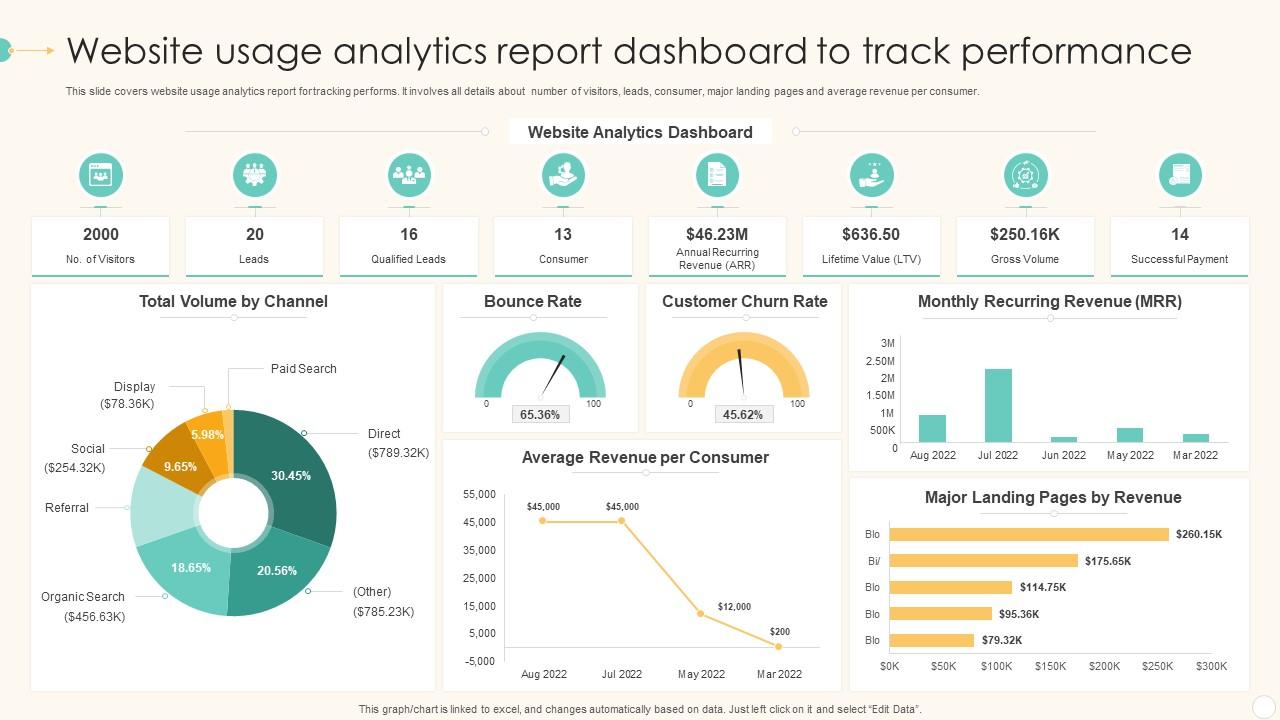
When evaluating tools, consider the total cost of ownership, including subscription fees, training time, and integration costs. A free trial is invaluable for testing whether a tool fits your workflow before committing financially. Remember, the best tool is the one your team will actually use every day.
Integrating Data Sources for a Unified View
One of the biggest challenges in tracking business performance is data fragmentation. Information often sits in isolated silos: sales data in a CRM, financial data in accounting software, and customer feedback in survey tools. In 2026, the standard for excellence is a unified data architecture where all these streams converge.
The Power of API Integrations
Application Programming Interfaces (APIs) are the bridges that connect disparate systems. Modern KPI tools boast extensive libraries of native integrations, allowing for seamless data flow. For example, connecting your e-commerce platform (like Shopify) directly to your financial dashboard (like Xero) ensures that revenue figures update instantly after every sale.
- Automated Syncing: Eliminate manual exports and imports. Automated syncing reduces errors and frees up valuable employee time.
- Data Consistency: When everyone looks at the same live data source, debates over "whose numbers are correct" disappear, fostering a culture of trust and accountability.
- Holistic Analysis: Unified data allows for cross-functional analysis. You can correlate marketing spend directly with revenue generation and customer support ticket volume to see the full impact of a campaign.
Building a Single Source of Truth
Creating a "Single Source of Truth" (SSOT) is a strategic priority for data-driven organizations. This involves establishing a central data warehouse or lake where all raw data is stored, cleaned, and modeled. From this central repository, dashboards draw their information.
- Data Governance: Establish clear rules about who can access, modify, and define data metrics. This prevents confusion and ensures data integrity.
- Cleaning and Validation: Before data enters the SSOT, it must be validated to remove duplicates, correct errors, and fill in missing values. Garbage in, garbage out remains a fundamental rule of analytics.
- Accessibility: While the backend might be complex, the frontend dashboards must be accessible to all relevant stakeholders, democratizing data across the organization.
By integrating data sources effectively, businesses gain a 360-degree view of their operations. This visibility is the foundation upon which accurate performance tracking is built.
Turning Insights into Actionable Strategies
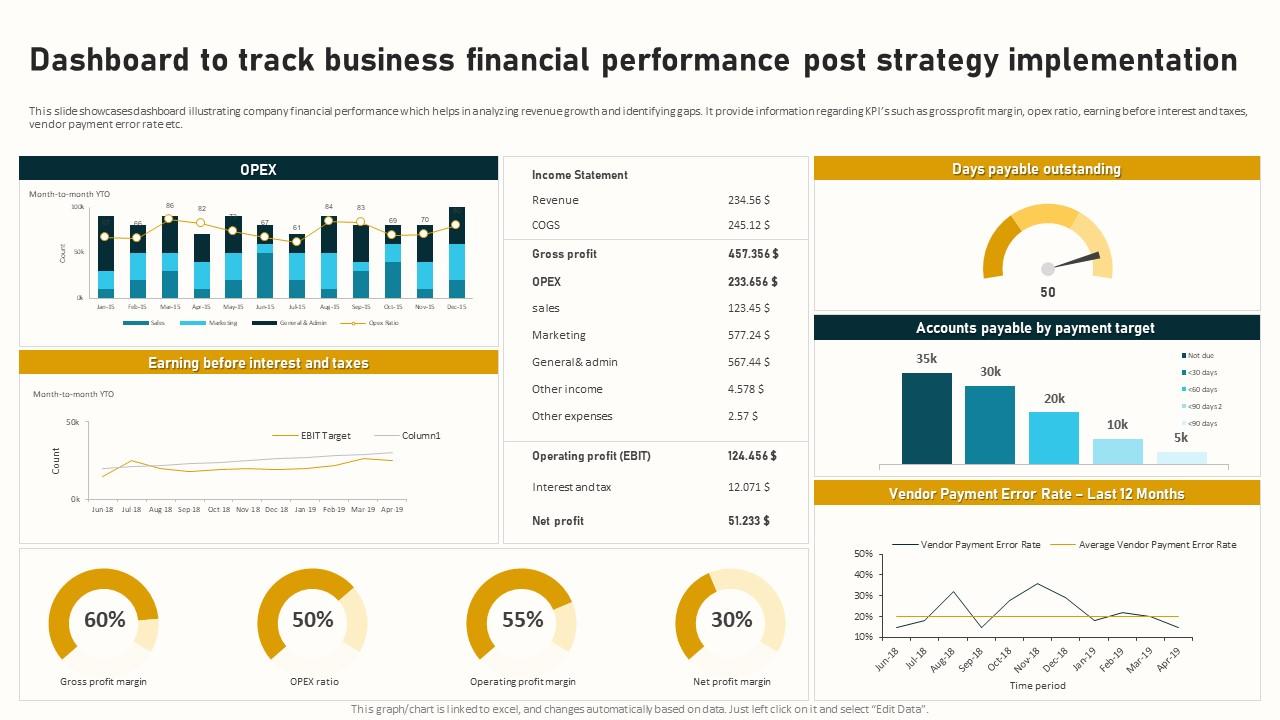
Collecting data is only half the battle; the real value lies in translating those numbers into actionable strategies. In 2026, the gap between insight and action is narrowing thanks to automated workflows and AI recommendations, but human judgment remains irreplaceable.
The Feedback Loop of Continuous Improvement
Effective performance tracking creates a continuous feedback loop.
- Monitor: Keep a constant eye on KPIs through real-time dashboards.
- Analyze: Investigate deviations from targets. Ask "why" repeatedly to get to the root cause.
- Act: Implement changes based on your findings. This could mean adjusting a marketing budget, retraining staff, or optimizing a supply chain process.
- Review: Measure the impact of your actions and refine your approach.
This cycle ensures that the business is always evolving and improving. Static annual reviews are too slow for the pace of 2026; instead, adopt weekly or even daily sprint reviews focused on key metrics.
Case Studies in Data-Driven Success
Consider the example of Starbucks, which used data analytics to personalize customer experiences. By analyzing purchase history and preferences, they tailored offers that resonated with individual customers, driving a 25% increase in loyalty program engagement. This wasn't just about collecting data; it was about using that data to enhance the customer journey.
Similarly, companies using predictive maintenance in their operations have reduced downtime significantly. By analyzing sensor data from machinery, they can predict failures before they happen, scheduling repairs during non-peak hours. This proactive approach saves millions in lost productivity and repair costs.
Avoiding Analysis Paralysis
With so much data available, there is a risk of "analysis paralysis," where decision-makers get stuck in the data and fail to act. To avoid this:
- Set Clear Objectives: Know exactly what decision you are trying to make before diving into the data.
- Limit Metrics: Focus on the few critical KPIs that drive the most value.
- Empower Teams: Give department heads the autonomy to make decisions based on their specific data insights without waiting for top-down approval for every minor adjustment.
Overcoming Common Challenges in Data Tracking
Despite the benefits, implementing a robust data tracking system comes with challenges. Addressing these head-on is crucial for long-term success.
Data Quality and Accuracy
Poor data quality is the enemy of good decision-making. Inaccurate, incomplete, or inconsistent data can lead to flawed strategies.
- Solution: Implement strict data governance policies and regular audits. Use automated validation tools to catch errors at the point of entry.
Resistance to Change
Employees may resist new tracking systems, viewing them as surveillance or extra work.
- Solution: Foster a culture of transparency. Explain how data tracking helps the team succeed and removes guesswork. Provide adequate training and support to ensure everyone feels comfortable with the new tools.
Privacy and Security Concerns
With increasing amounts of data being collected, privacy and security are paramount. Regulations like GDPR and CCPA continue to evolve, requiring strict compliance.
- Solution: Choose tools with robust security features, such as encryption and role-based access control. Regularly review your data practices to ensure compliance with current laws.
Cost Management
High-end analytics tools can be expensive. Small businesses, in particular, need to be mindful of costs.
- Solution: Start with essential features and scale up as needed. Look for tools with flexible pricing tiers and consider open-source alternatives where appropriate.
Future Trends: What's Next After 2026?
As we look beyond 2026, the trajectory of business performance tracking points toward even greater automation and intelligence. Autonomous analytics will become the norm, where AI systems not only report on performance but also execute optimizations independently within set parameters.
We can expect to see deeper integration of augmented reality (AR) in dashboards, allowing executives to visualize data in immersive 3D environments. Furthermore, blockchain technology may play a larger role in ensuring data integrity and transparency, particularly in supply chain tracking.
The businesses that thrive in the coming years will be those that treat data not as a byproduct of operations, but as a core strategic asset. By mastering the best ways to track performance today, you position your organization to lead tomorrow.
Frequently Asked Questions
Q: How often should I review my business KPIs?
A: In 2026, the frequency depends on the metric. High-velocity metrics like website traffic or ad spend should be reviewed daily or even in real-time. Strategic metrics like revenue growth or customer retention can be reviewed weekly or monthly. The key is to establish a rhythm that allows for timely intervention without causing burnout.
Q: Can small businesses afford advanced data analytics tools?
A: Absolutely. The market has shifted significantly, with many powerful tools offering tiered pricing suitable for small businesses. Platforms like HubSpot, Zoho, and QuickBooks provide enterprise-level features at a fraction of the cost. Additionally, the ROI from improved decision-making often outweighs the subscription costs quickly.
Q: What is the difference between a KPI and a metric?
A: All KPIs are metrics, but not all metrics are KPIs. A metric is any quantifiable measure of performance. A KPI (Key Performance Indicator) is a specific metric that is critical to achieving a strategic business goal. KPIs are tied directly to objectives, whereas general metrics might just provide context.
Q: How do I get my team to adopt a new data tracking system?
A: Adoption relies on education and demonstration of value. Show your team how the new system makes their jobs easier, not harder. Highlight success stories where data led to better outcomes. Provide comprehensive training and create a supportive environment where questions are encouraged.
Q: Is it possible to track performance without a dedicated data analyst?
A: Yes. Modern tools are designed with user-friendly interfaces and automated insights that allow non-experts to track performance effectively. While a dedicated analyst adds depth, small and medium businesses can successfully manage tracking using intuitive dashboards and built-in AI assistants.
Conclusion
Tracking business performance with data in 2026 is no longer a luxury reserved for tech giants; it is a necessity for survival and growth. By moving away from static spreadsheets and embracing real-time, AI-driven analytics, businesses can unlock unprecedented levels of efficiency and agility. The journey begins with identifying the right KPIs, selecting tools that integrate seamlessly, and fostering a culture where data drives every decision.
As we navigate this dynamic year, remember that data is only as powerful as the actions it inspires. The organizations that will define the future are those that can translate raw numbers into strategic victories. Start refining your tracking methods today, and watch your business transform from reactive to proactive, setting a new standard for excellence in your industry.
References
- Synergita — Top KPI Tools to Track Performance in 2026, 2025
- Business.com — 14 Tools to Track KPIs for Your Business, 2025
- Shiro Software Solutions — How to Track Your Business Performance Using Data Analytics, 2024
- Akiflow — 16 Key Success Metrics to Track and Measure Business Performance, 2025
- Pipedrive — 13 Best KPI Software to Track Performance in 2025, 2025
- Quantum Metric — Data Analytics: 7 Ways to Improve Business Performance, 2026
- Global Growth Insights — Enterprise Adoption of KPI Software Report, 2025
- Harvard Business School Online — How to Measure Your Business Performance, 2025