In the hyper-competitive landscape of 2026, intuition is no longer a viable strategy for business survival. With artificial intelligence reshaping industries overnight and global markets fluctuating with unprecedented volatility, the difference between a thriving enterprise and a failed startup often comes down to one critical factor: data precision. As we navigate this new era, the "Best Metrics Every Business Should Monitor" have evolved from simple financial snapshots to complex, real-time indicators of operational health, customer sentiment, and technological efficiency.
Running a business today can feel overwhelming, characterized by an endless to-do list and constant deadlines. Amid this hustle, it is dangerously easy to overlook the compass that guides informed decisions: tracking your business performance metrics. These key metrics provide a clear snapshot of your business's health across marketing, sales, human resources, and management. According to recent industry analysis, companies that utilize effective operational metrics have seen a 24% increase in performance compared to their counterparts who rely on guesswork.
This article serves as your definitive roadmap for 2026. We will dissect the essential Key Performance Indicators (KPIs) that every leader must track to refine their strategy, eliminate redundant activities, and position their organization for sustained success. Whether you are a CEO, a CTO, or a department head, understanding these numbers is not just an option; it is a mandate for growth.
The Financial Pulse: Core Metrics for Economic Health
Financial metrics remain the bedrock of any business strategy. In 2026, however, the focus has shifted from merely recording past profits to predicting future liquidity and scalability. These indicators tell the story behind your company's financial health, helping you understand profitability, efficiency, and the ability to weather economic storms.
Revenue Growth Rate: The Primary Indicator of Success
Revenue growth is the most fundamental metric for assessing your business's trajectory. It measures how much your company's income from sales or services has increased over a specific period. This metric highlights the effectiveness of your sales and marketing strategies and signals whether your business is expanding or stagnating.
Consistent revenue growth is essential for sustaining operations, attracting investors, and achieving long-term goals. To calculate this, you subtract the revenue from the previous period from the current period's revenue, divide by the previous period's revenue, and multiply by 100. For example, if your revenue increased from $50,000 to $60,000, your growth rate is 20%. Regularly tracking this allows you to identify trends and spot the most efficient strategies before competitors do.
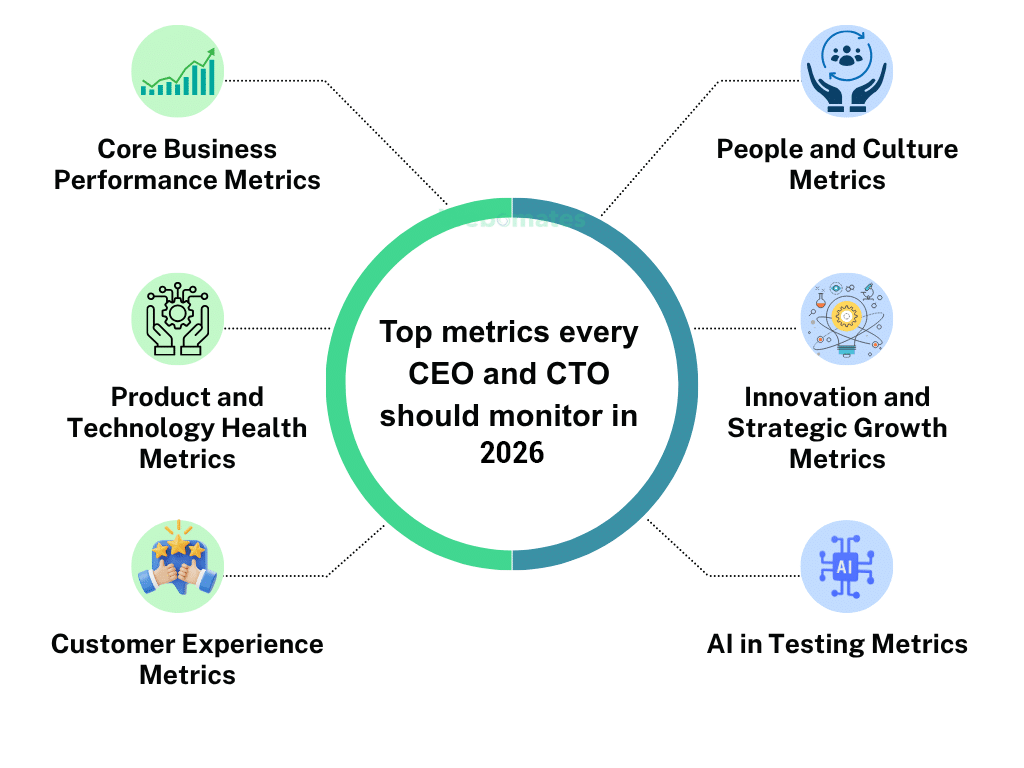
Gross Profit Margin and Net Profit Margin
While revenue tells you how much money is coming in, profit margins tell you how much you are keeping. Gross Profit Margin is the amount your company makes after deducting the costs associated with making and selling your products (COGS). A low gross profit suggests that production costs are too high or that your pricing strategy needs adjustment.
Even more critical in 2026 is the Net Profit Margin, which represents the percentage of revenue remaining after all expenses, taxes, and interest are deducted. This KPI reveals the overall profitability and financial health of your business. In an era of rising operational costs and complex tax regulations, maintaining a healthy net profit margin is the ultimate test of operational efficiency.
Operating Cash Flow: The Lifeline of Liquidity
Profit does not always equal cash. Many businesses fail not because they are unprofitable on paper, but because they run out of liquid resources. Operating Cash Flow measures the cash generated from normal business operations. Tracking this metric helps you make calculated investment decisions and ensures you can meet short-term obligations. In 2026, with supply chain disruptions still a possibility, maintaining a positive cash flow is more important than ever for business continuity.
Customer-Centric Metrics: The New Currency of Loyalty
In 2026, the customer relationship has become the primary driver of valuation. With acquisition costs skyrocketing due to saturated digital advertising channels, retaining existing customers and maximizing their value is far more cost-effective than chasing new ones. The best metrics every business should monitor now heavily favor customer retention and satisfaction.
Customer Acquisition Cost (CAC) vs. Customer Lifetime Value (CLV)
The ratio between Customer Acquisition Cost (CAC) and Customer Lifetime Value (CLV) is perhaps the most vital equation in modern business. CAC measures the average amount of money spent to acquire a new customer, including all marketing and sales expenses. Conversely, CLV represents the total revenue a business can expect from a single customer over the course of their relationship.
In a healthy business model, CLV should be significantly higher than CAC—ideally by a factor of three or more. If your CAC is rising while your CLV remains stagnant, it indicates inefficiencies in your marketing funnel or a lack of product stickiness. Monitoring these two metrics in tandem allows you to determine exactly how much you can afford to spend on acquisition without jeopardizing long-term profitability.
Churn Rate and Retention Rate
Customer Churn Rate measures the percentage of customers who stop doing business with you over a given period. In 2026, even a slight increase in churn can decimate growth projections. High churn often signals underlying issues with product quality, customer service, or market fit.
Conversely, the Customer Retention Rate tracks your ability to keep customers engaged. Improving retention by just 5% can increase profits by 25% to 95%. By focusing on these metrics, businesses can shift their strategy from aggressive hunting to nurturing long-term relationships, fostering a community of brand advocates rather than just transactional buyers.
Net Promoter Score (NPS) and Sentiment Analysis
The Net Promoter Score (NPS) remains a gold standard for measuring customer loyalty. It asks one simple question: "How likely are you to recommend our company to a friend or colleague?" However, in 2026, NPS is often augmented by AI-driven Sentiment Analysis. This advanced metric analyzes unstructured data from social media, reviews, and support tickets to gauge the emotional tone of customer interactions.
A high volume of mentions combined with positive sentiment indicates strong brand awareness and health. Conversely, a sudden spike in negative mentions can serve as an early warning system for potential PR crises, allowing teams to address issues before they escalate.
Operational Efficiency: Streamlining for the AI Era
Operational metrics drive efficiency and help organizations outperform the competition by eliminating waste. As businesses integrate more automation and AI tools, the need to measure the output of these systems becomes paramount. The goal in 2026 is not just to work harder, but to work smarter through data-backed process optimization.
Employee Productivity and Revenue Per Employee
With the rise of remote and hybrid work models, measuring productivity has become more nuanced. Revenue Per Employee is a powerful metric that indicates how efficiently a company utilizes its workforce to generate income. It is calculated by dividing total revenue by the number of full-time employees.
Additionally, tracking Employee Turnover Rate and Time to Fill positions is crucial. High turnover can indicate cultural problems or burnout, leading to significant hidden costs in recruitment and training. In 2026, top-performing companies are also monitoring Absenteeism Rates and Training Spend per Employee to ensure their workforce remains engaged, skilled, and present.
Cycle Time and Process Efficiency
Cycle Time measures how long it takes to complete a specific process from start to finish, whether it's manufacturing a product or resolving a customer ticket. Reducing cycle time directly improves cash flow and customer satisfaction. By leveraging real-time dashboards, managers can identify bottlenecks instantly and reallocate resources to maintain momentum.
Technology and Infrastructure Uptime
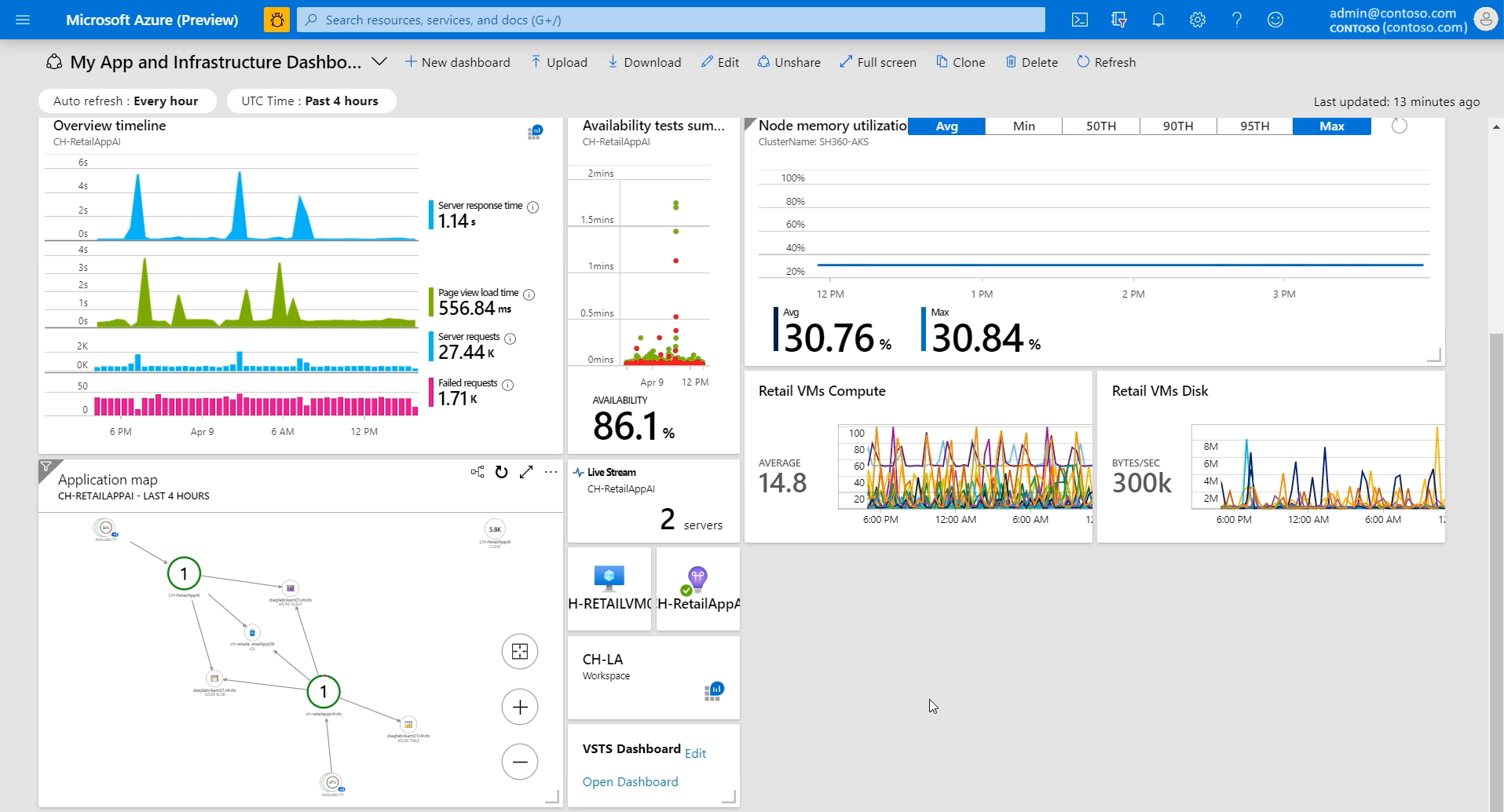
As businesses become increasingly dependent on cloud infrastructure and SaaS platforms, System Uptime and Latency have become critical operational metrics. Downtime in 2026 doesn't just mean lost productivity; it can mean lost trust and immediate revenue leakage. Monitoring these technical KPIs ensures that the digital backbone of the business remains robust and reliable.
Marketing and Brand Visibility in a Digital Noise
Marketing in 2026 is a battle for attention in an increasingly crowded digital space. Traditional vanity metrics like "likes" or "page views" are losing their relevance. Instead, businesses must focus on metrics that correlate directly with conversion and brand equity.
Volume of Mentions and Share of Voice
The Volume of Mentions refers to how often your brand, product, or service is discussed online. This metric provides deep insight into brand visibility and popularity. A high volume of mentions often indicates strong brand awareness, while a sudden spike could signal the success of a recent campaign—or the need to address a potential issue.
Measuring this manually is incredibly time-consuming, so businesses in 2026 rely on automated listening tools. When paired with Share of Voice, which compares your brand's mentions against competitors, you gain a clear picture of your market position. This data helps refine content strategies and ensures marketing efforts are resonating with the target audience.
Conversion Rate and Return on Marketing Investment (ROMI)
Ultimately, marketing must drive action. The Conversion Rate measures the percentage of users who take a desired action, such as making a purchase or signing up for a newsletter. Optimizing this metric involves rigorous A/B testing and personalization strategies powered by AI.
Furthermore, Return on Marketing Investment (ROMI) calculates the revenue generated for every dollar spent on marketing. Unlike general ROI, ROMI isolates the effectiveness of specific campaigns. In a budget-conscious environment, tracking ROMI ensures that every marketing dollar is accountable and contributing to the bottom line.
Lead Quality and Quota Attainment
Not all leads are created equal. Tracking Lead Conversion Rate helps sales and marketing teams align on what constitutes a "qualified" lead. Additionally, monitoring Quota Attainment—the percentage of sales representatives meeting their targets—provides insights into the health of the sales team and the realism of forecasting.
Strategic Implementation: From Data to Action
Collecting data is only half the battle; the real value lies in interpretation and action. In 2026, the most successful leaders are those who can translate raw numbers into strategic pivots. This requires a culture of clarity and accountability where metrics are not just reported, but acted upon.
Building a Culture of Accountability
Metrics create accountability. When sales targets, churn rates, and productivity goals are clearly defined and tracked, employees understand their individual contributions to the broader mission. This fosters a sense of ownership and drives performance. Leaders must ensure that data is transparent and accessible, allowing teams to self-correct and innovate without waiting for top-down directives.
Leveraging Real-Time Dashboards
The era of monthly reports is over. In 2026, businesses need real-time analytics and dynamic dashboards. Tools that integrate data from CRM, ERP, and marketing platforms allow leaders to see the pulse of the business at any moment. This immediacy enables fast adaptability; if revenue growth dips or churn spikes, the team can react immediately rather than waiting for a quarterly review.
Avoiding Vanity Metrics
One of the biggest pitfalls in 2026 is getting lost in "vanity metrics"—numbers that look good but don't impact the bottom line, such as social media followers or website hits without context. To avoid this, every metric tracked must be tied to a specific business objective. Ask yourself: "If this number changes, will I make a different decision?" If the answer is no, it might be time to stop tracking it.
Frequently Asked Questions About Business Metrics in 2026
Q: What is the single most important metric for a startup in 2026?
A: While it varies by industry, Cash Runway and Monthly Recurring Revenue (MRR) are often the most critical for startups. These metrics determine survival and scalability. Without sufficient cash flow or predictable revenue growth, even the most innovative ideas can fail.
Q: How often should businesses review their KPIs?
A: In the fast-paced environment of 2026, real-time monitoring is ideal for operational metrics like website traffic and server uptime. Strategic financial and customer metrics should be reviewed weekly by department heads and monthly by executive leadership to identify trends and adjust strategies promptly.
Q: Can small businesses benefit from tracking complex metrics like CLV and CAC?
A: Absolutely. Small businesses often have limited budgets, making the efficiency of Customer Acquisition Cost (CAC) and the longevity of Customer Lifetime Value (CLV) even more critical. Understanding these ratios helps small enterprises allocate their limited resources effectively to maximize growth.
Q: How does AI influence the way we track business metrics?
A: AI transforms metric tracking from passive observation to predictive analysis. In 2026, AI tools can forecast future revenue trends, predict churn before it happens, and automatically suggest optimizations for marketing spend, allowing businesses to stay ahead of market shifts.
Q: What are "leading" vs. "lagging" indicators?
A: Lagging indicators (like revenue or profit) confirm what has already happened. Leading indicators (like website traffic, pipeline value, or employee engagement scores) predict future outcomes. A balanced scorecard in 2026 includes both to understand past performance and anticipate future results.
Conclusion: The Path Forward
As we move deeper into 2026, the complexity of the business world continues to accelerate. The "Best Metrics Every Business Should Monitor" are not static; they evolve alongside technology, consumer behavior, and global economic conditions. However, the core principle remains unchanged: what gets measured gets managed.
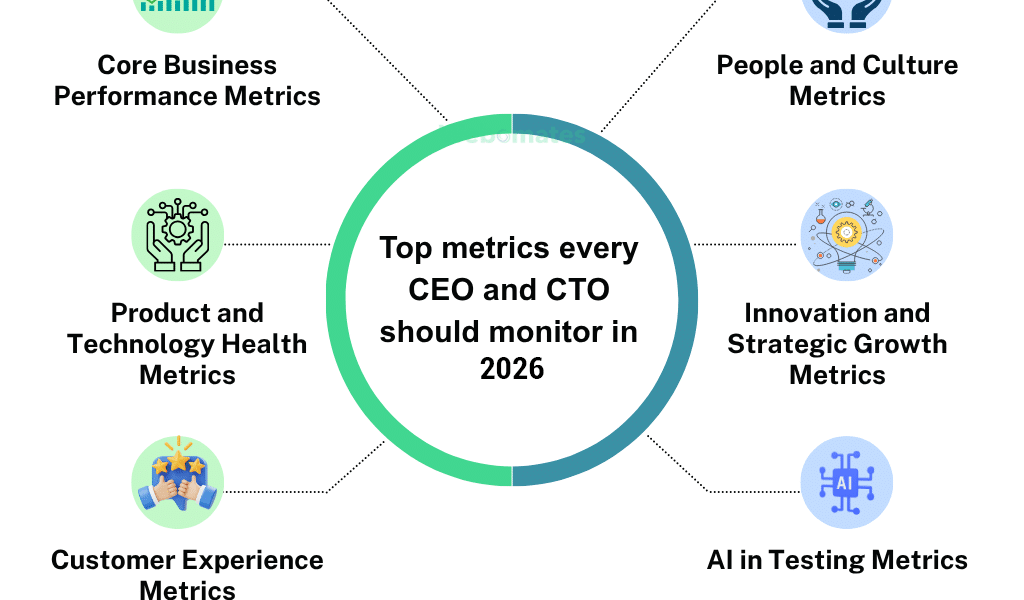
By focusing on the right mix of financial, customer, operational, and marketing metrics, businesses can cut through the noise of big data and find the signals that truly matter. Whether it is optimizing your Revenue Growth Rate, refining your Customer Lifetime Value, or ensuring your Operational Efficiency through AI integration, these metrics act as the compass guiding your organization toward success.
Do not let your business drift on instinct. Embrace the power of data, foster a culture of accountability, and leverage real-time insights to make informed decisions. In a world where the margin for error is thinner than ever, mastering these metrics is the ultimate competitive advantage. Start tracking, start analyzing, and start growing today.
References
- Saviom — Top 15 Operational Metrics a Business Should Monitor, 2026
- Forbes Business Council — Scaling Your Business: 11 Key Metrics Every Leader Should Monitor, 2026
- Cascade Strategy — 29 Core Business Metrics That Every Business Leader Should Know (And Track), 2024
- Singleclic — Top KPIs Every Business Should Track, 2025
- Yasir Faraz ACCA — The 10 Most Important KPIs Every Business Should Track, 2024
- Kapil Garg — What are Business Metrics? 37 Essential Metrics to Track, 2025
- Webomates Insights — Top Metrics Every CEO and CTO Should Monitor in 2026, 2026
- 10XSheets — Top 50 Business Metrics in 2026 (Formulas), 2026